Choosing the right metal scrap baling machine can help the metal recycling industry reduce storage space and lower transportation costs. The key to selecting the right baling machine for scrap metal recycling is ensuring the machine’s pressure tonnage, bin size, and processing efficiency are optimal. Simultaneously, the baling machine must be precisely matched to the type of metal scrap, processing volume, and bale size.
Choosing the Right Metal Scrap Baling Machine Based on Scrap Type
Pressure determines whether the baler can compress specific metals into dense bales. Insufficient pressure results in loose bales, increasing transportation costs.
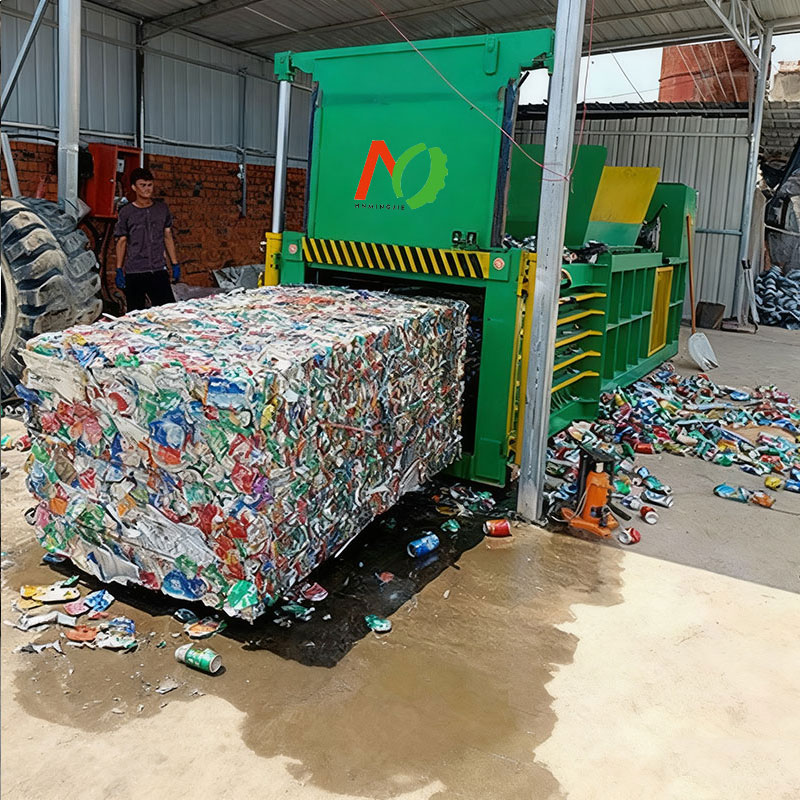
- Lightweight/Thin Materials (Aluminum Cans, Thin Sheet Metal, Aluminum Profiles): Extremely high pressure is not required. Both vertical balers and horizontal balers can meet the needs of compressing and baling lightweight scrap metal.
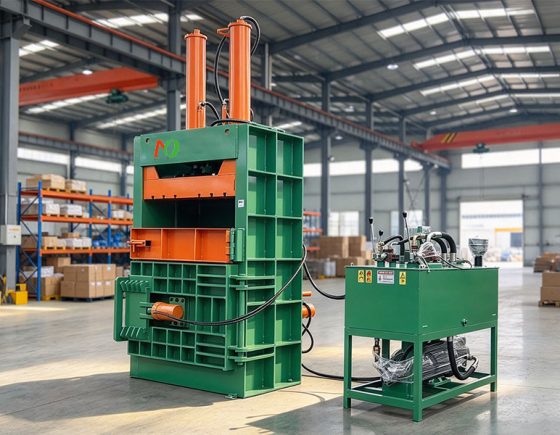
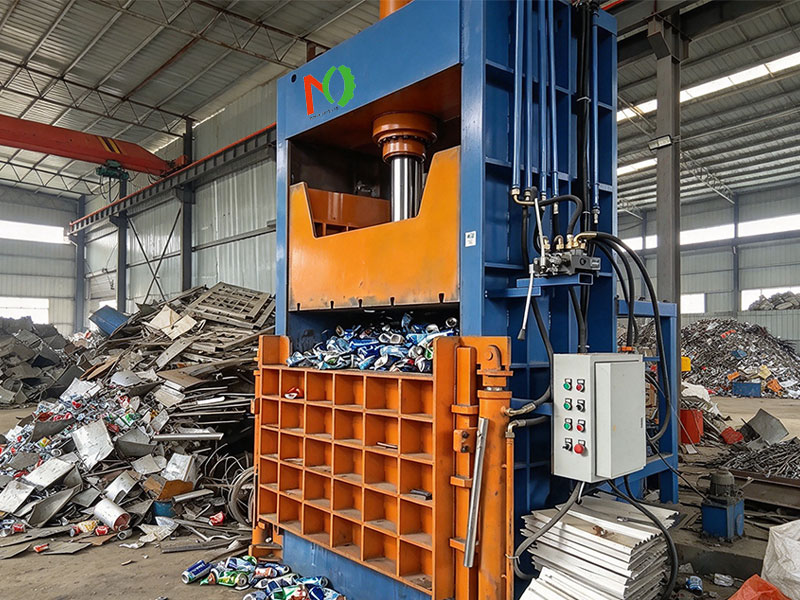
- Medium-Toughness Scrap Materials (Copper Wire, Stainless Steel Plates, Light Steel Scrap): These materials have resilience and require higher pressure to maintain their shape. All-steel plate downstroke vertical baler can meet these requirements.
- Heavy/hard scrap (automotive radiators, mixed ferromagnetic metals, hard alloys, metal turning chips): Requires extremely high pressure to permanently deform them. A heavy-duty scrap metal compactor should be selected.
Choosing a Scrap Baling Press Machine Based on Processing Volume
The daily processing volume of scrap metal directly determines whether to choose a vertical or horizontal baler.
For low to medium output (0.5-5 tons per day): A vertical baler made of all-steel plates is the most cost-effective choice. It operates in batch mode: loading scrap, closing the hydraulic gate, compressing, binding with wire, and ejecting the bales.
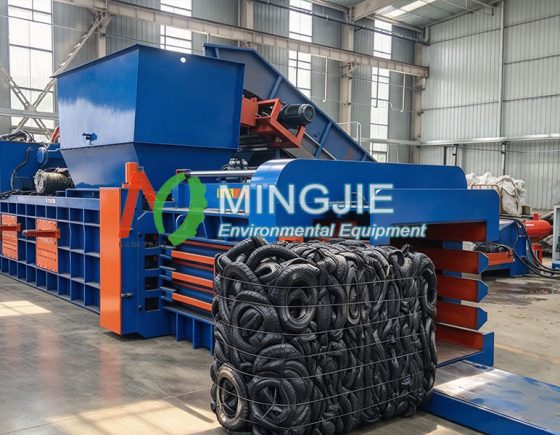
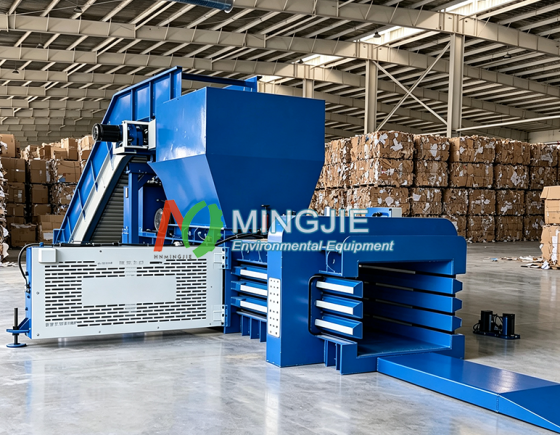
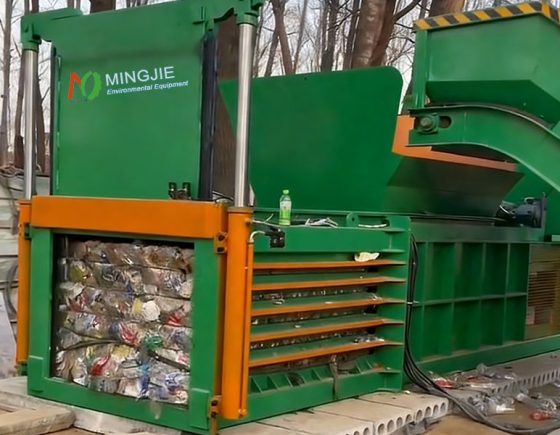
For large-volume continuous recycling (8-10 tons or more per hour): Horizontal metal balers are better. They support conveyor feeding, continuous operation, and larger bale sizes. Horizontal balers are ideal for large scrap processing centers and industrial shredding lines.
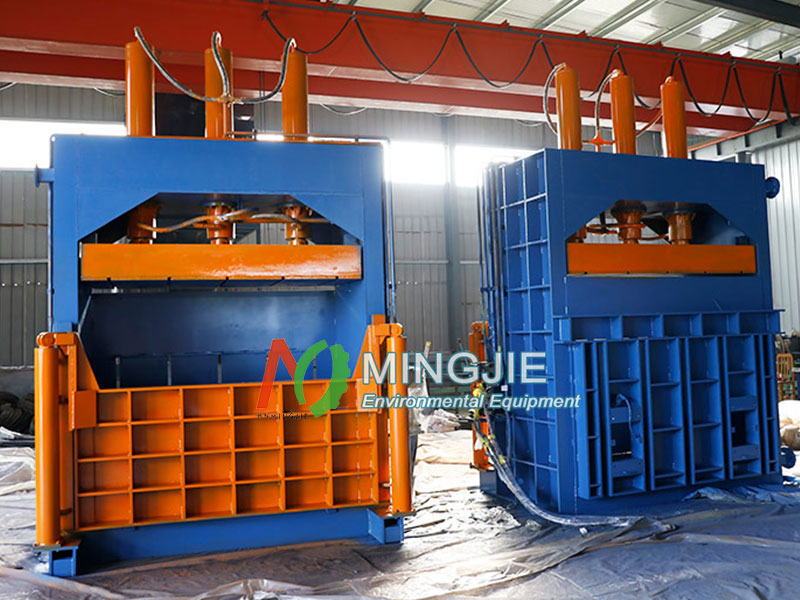
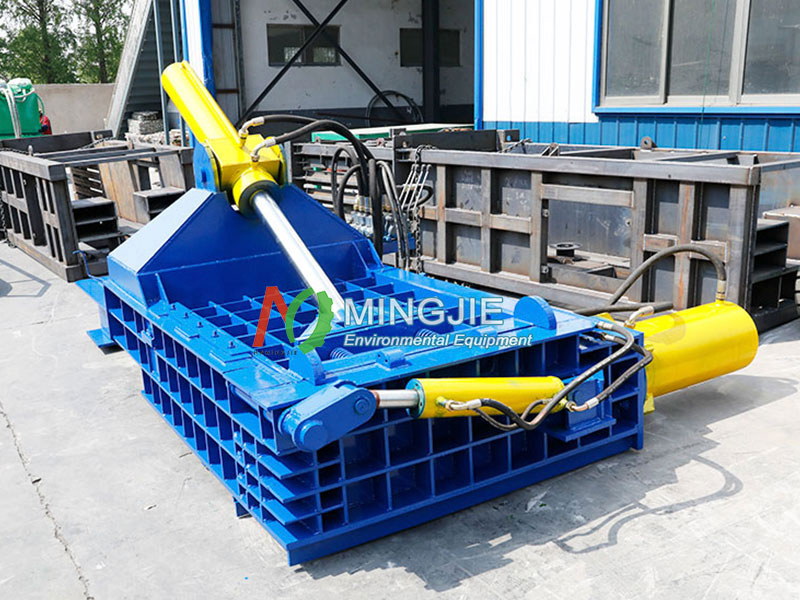
If the daily processing volume of scrap metal is small and the budget is limited, manual or semi-automatic metal scrap baling machine offers good value. For large recycling plants requiring continuous operation, fully automatic metal scrap baling machines should be chosen to reduce manual intervention and downtime.
Choosing the Right Baler Equipment Based on Metal Bale Size
Bale size is one of the most direct and critical criteria when selecting a scrap metal baler. Smelters, logistics companies, and local recyclers typically specify fixed bale sizes for receiving, stacking, and loading. Bale size directly affects container capacity and freight costs.
The baler’s internal compression chamber determines the maximum cross-sectional area of the bale. For vertical balers, the chamber width and depth are equal to the bale width and depth, respectively. Bale length is adjustable within the lever stroke range, depending on the feed rate and compression density.
Metal springs back after compression. The finished bale will spring back slightly compared to its compressed size. All-steel downstroke vertical baler and metal briquetting machine offer higher structural rigidity, less frame deformation, and more stable final bale sizes. Thin-plate lightweight balers expand outwards under metal pressure, resulting in larger batch-to-batch dimensional variations.