
Products
Product
Categories
Free Quote
Compactor Equipment
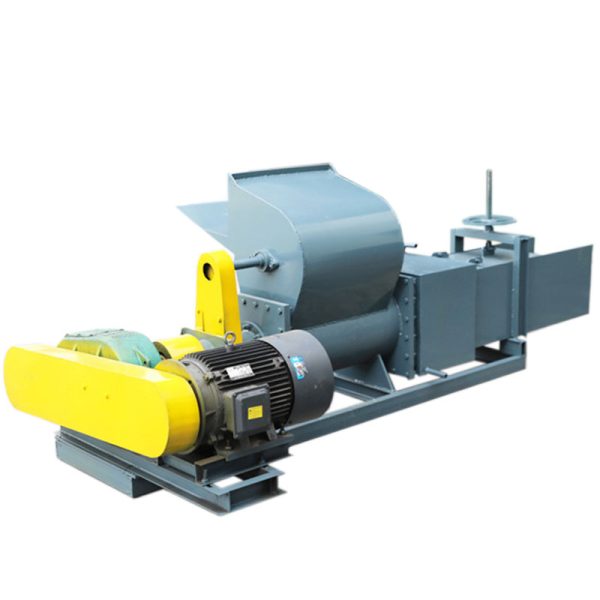
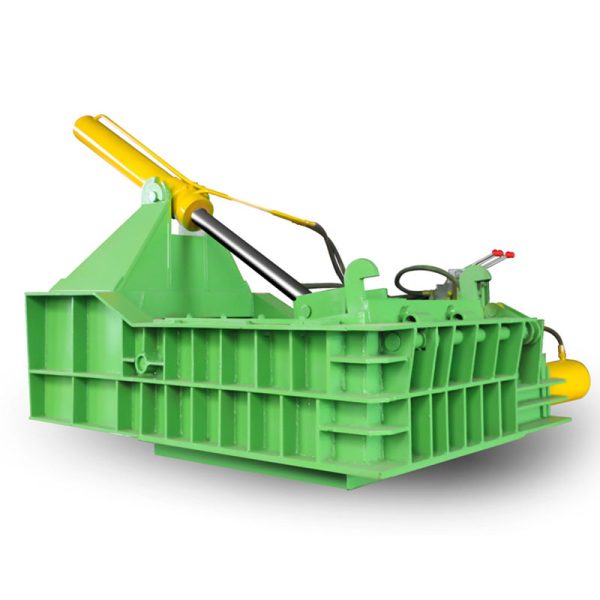
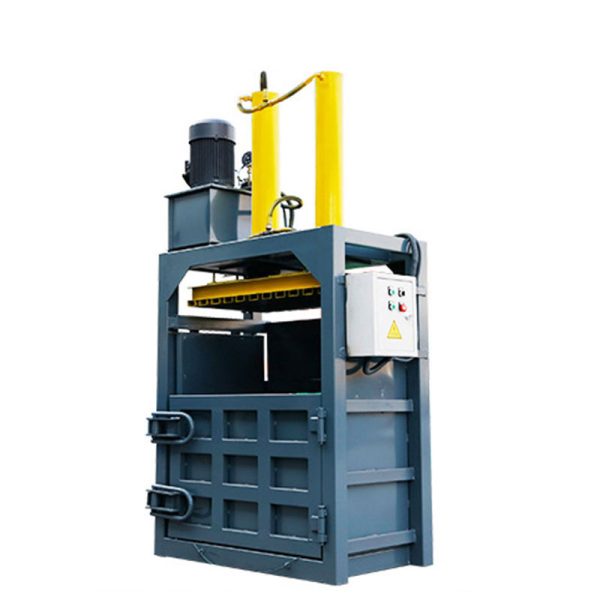
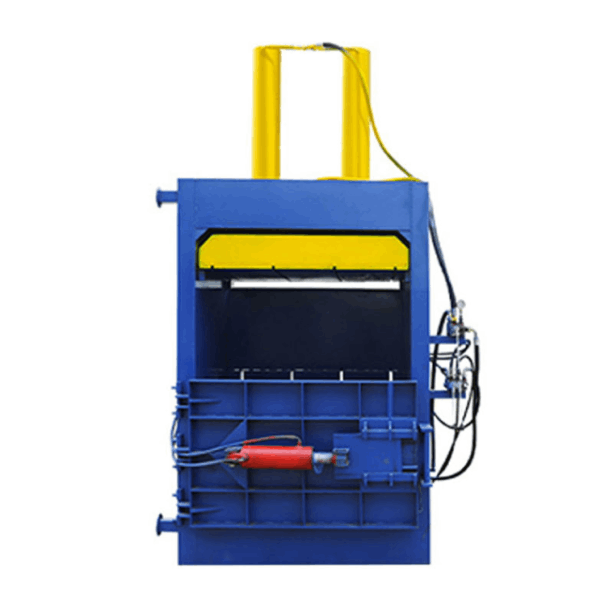
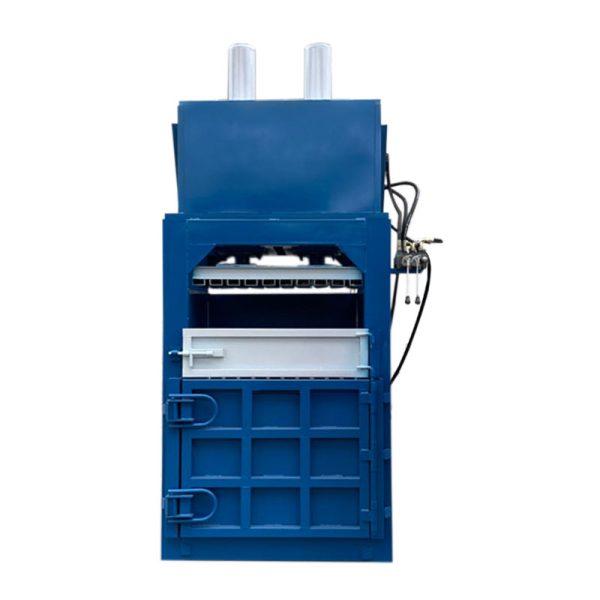
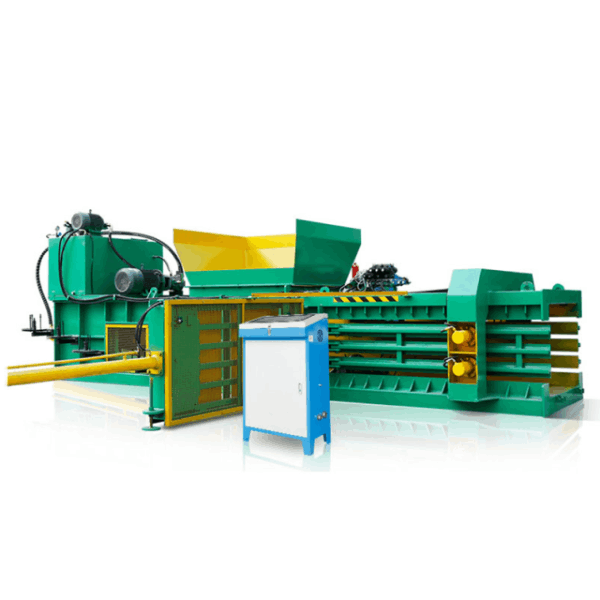
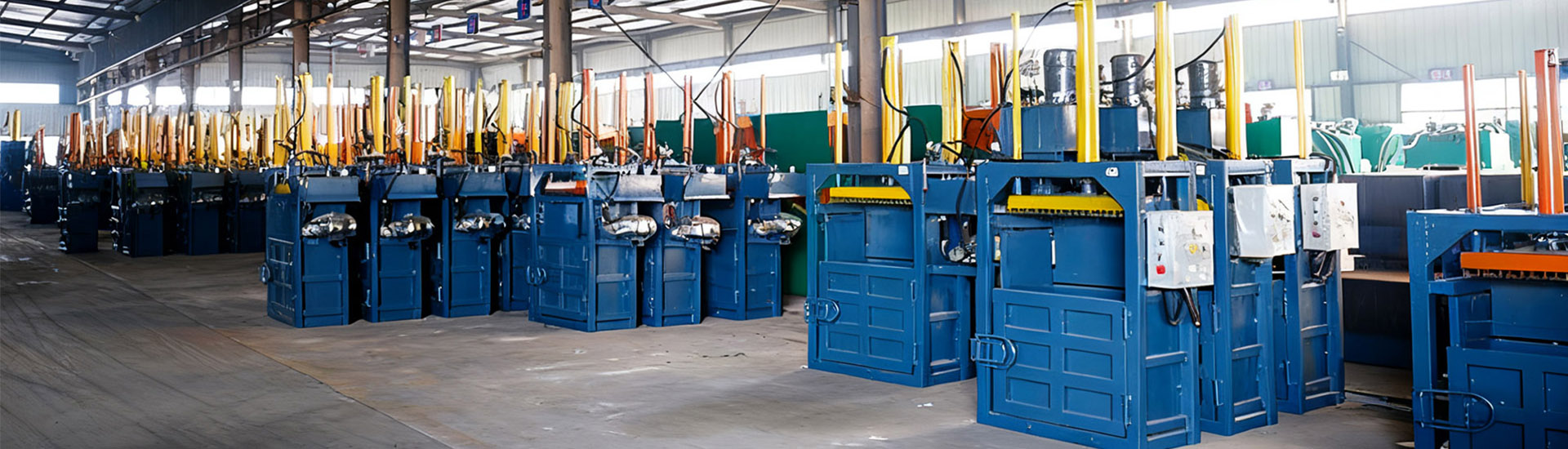
Waste compactor uses hydraulic or mechanical means to compress dispersed waste into denser blocks or compacted forms. It offers both environmental and safety benefits, such as reducing waste spillage and suppressing odors. Waste compactors are primarily used for mixed household and industrial waste. Their purpose is to minimize waste volume, reduce transportation and storage costs, and improve processing efficiency.
Waste Compactor Type
Our waste compactors are mainly divided into Vertical Compactor, Horizontal Compactor, Metal Briquetting Machine and Foam Compactor.
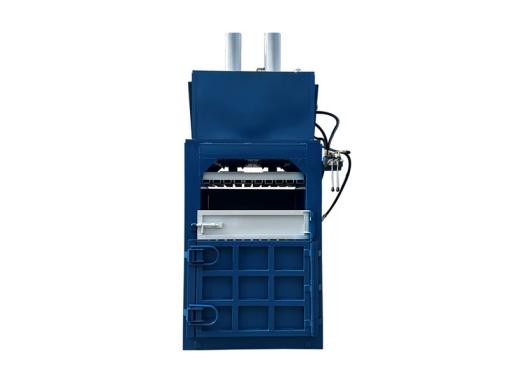
Vertical Compactor
The vertical compactor primarily uses a hydraulic cylinder to drive the ram, applying vertical pressure to the waste material within the compression chamber. The ram stroke can be flexibly adjusted to the height of the waste pile, ensuring uniform density of the compressed material. It is mainly used for compressing various materials, such as metals, plastics, garbage, etc.
Horizontal Compactor
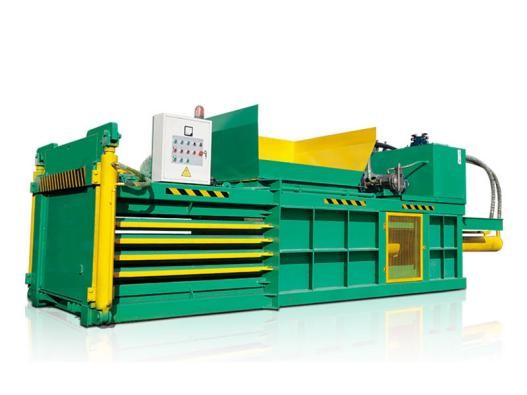
The horizontal compactor is also called horizontal baler or horizontal briquetting press machine. It is widely used in industries such as waste recycling, metal processing, and plastics processing. Horizontal compactors use hydraulically driven push plates to apply pressure horizontally, achieving a volume reduction of 5-15 times. They are core equipment for large-scale waste reduction processing.
Metal Briquetting Machine
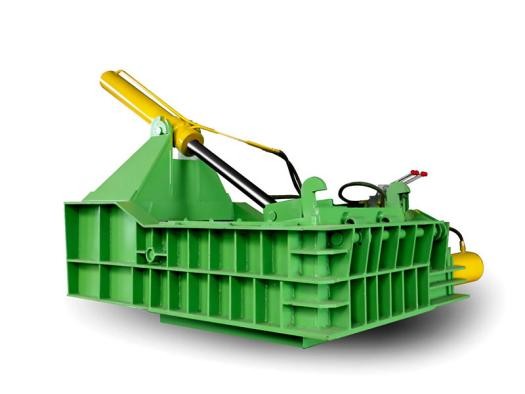
Scrap metal compactor is specialized compression equipment for scrap metal. Its structural strength and process design focus on the properties of metal. It is essential equipment in the modern metal recycling industry. By improving efficiency and reducing overall costs, they provide powerful technical support for resource recycling.
Foam Compactor
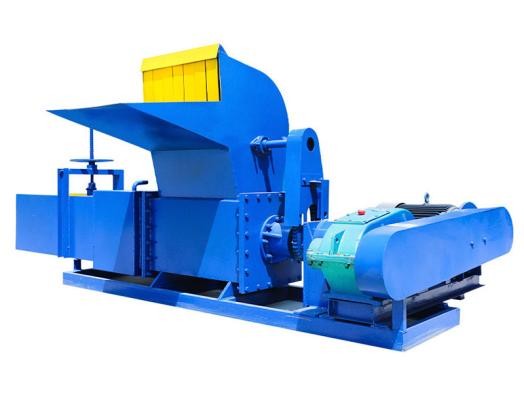
As a special equipment for processing foam plastics, the foam briquetting machine achieves efficient volume reduction through cold pressing technology. The foam compactor uses spiral rotation to generate pressure and directly squeeze the foam. It does not require heating and has low power consumption. It is suitable for compressing materials, such as EPS, EPP, and EPE.