Selecting a tire baler machine involves more than just looking at the price. It requires a comprehensive assessment based on tire type, daily processing volume, site conditions, and the intended downstream recycling or recovery pathway.
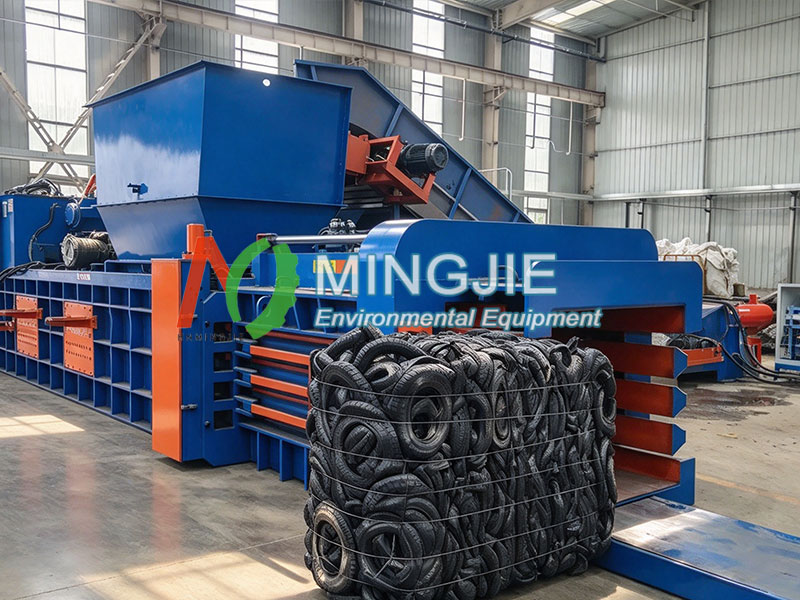
Choosing Tire Baler Machine Based on Material
- Passenger Car Tires: These have moderate elasticity. A tire baler machine with 100–160 tons of pressing force is generally sufficient.
- All-Steel Truck/Bus Tires: These contain a high amount of steel wire and exhibit extremely strong spring-back. Opt for heavy-duty models (160–200 tons) featuring reinforced, wear-resistant chambers and anti-rebound locking mechanisms.
- Giant OTR (Off-the-Road) and Mining Tires: Due to their large diameter and significant weight, these typically require custom-built units with extra-large feed chambers and ultra-high pressing force. In some cases, tires must be cut into smaller pieces before baling.
- Mixed Tire Streams (Passenger + Truck Tires): Choose a heavy-duty baler. Avoid using low-tonnage machines, as they often fail to produce stable, compact bales—leading to bales coming apart during transport.
Choosing Baler Based on Daily Processing Volume
- 5–15 tons/day: Small-scale vertical baler.
- 20–50 tons/day: Semi-automatic horizontal baler.
- Over 50 tons/day: Fully automatic horizontal baler paired with a conveyor feeding system.
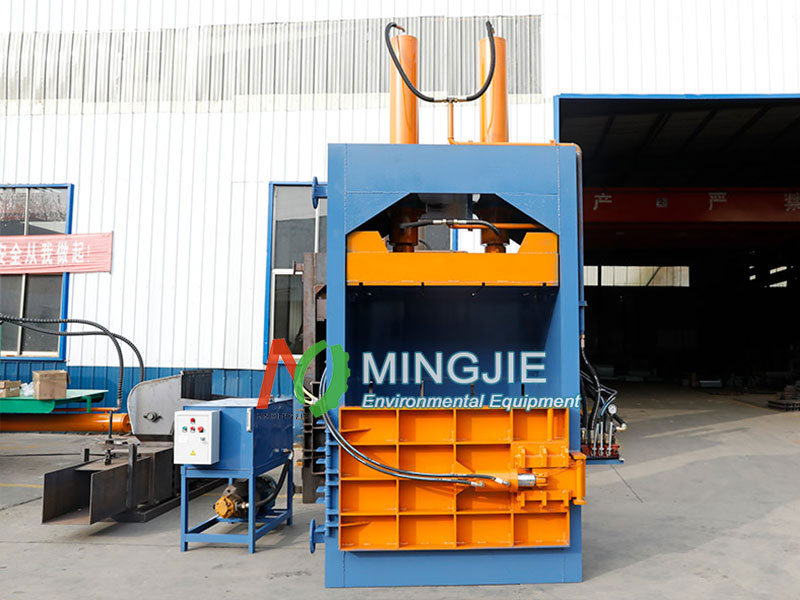
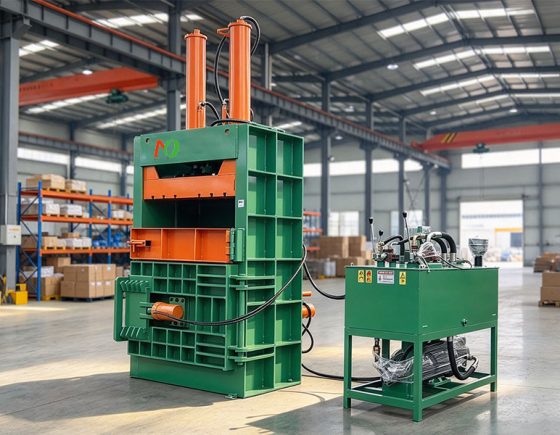
Vertical balers are well-suited for tire shops, small-scale recycling facilities, and operations with moderate processing volumes. They feature a small footprint, a low barrier to entry in terms of investment, and are relatively simple to operate and maintain. Their primary limitation is that loading is typically performed manually or with basic mechanical assistance, resulting in a lower level of automation. Consequently, vertical tire balers are ideal for recycling sites with modest daily throughput and manageable labor costs.
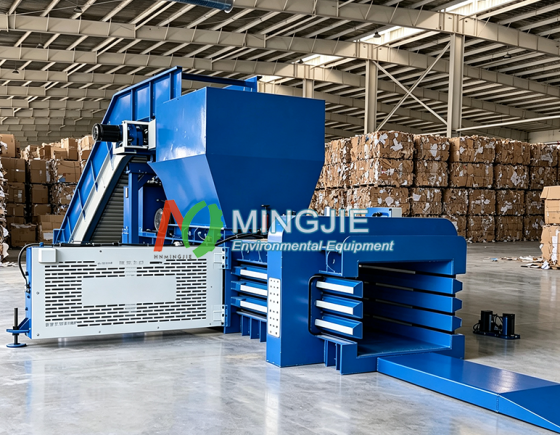
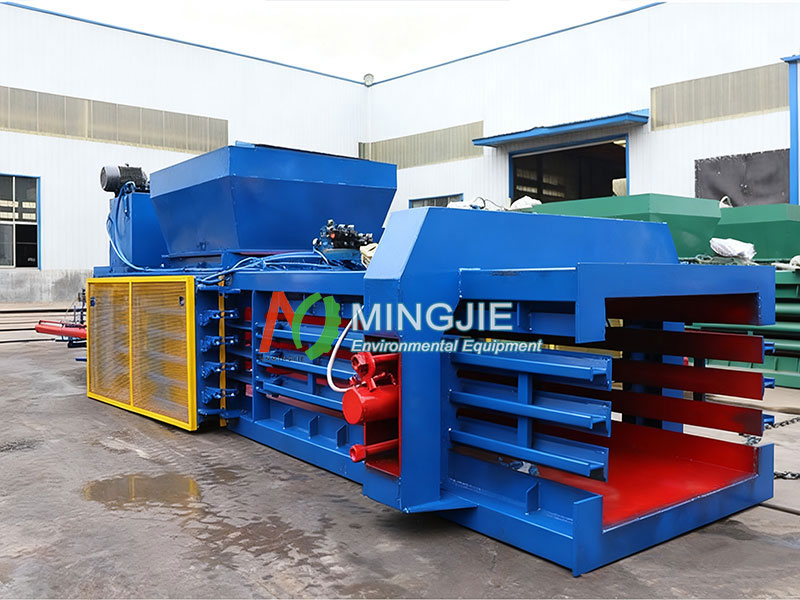
Horizontal tire balers offer advantages in terms of continuous operation capabilities and higher bale density. They are best suited for large-scale recycling centers that serve as the front-end collection point for pyrolysis or shredding production lines. It should be noted that horizontal baling equipment entails significantly higher requirements regarding machine weight, floor space, and electrical power capacity.