


Introduction
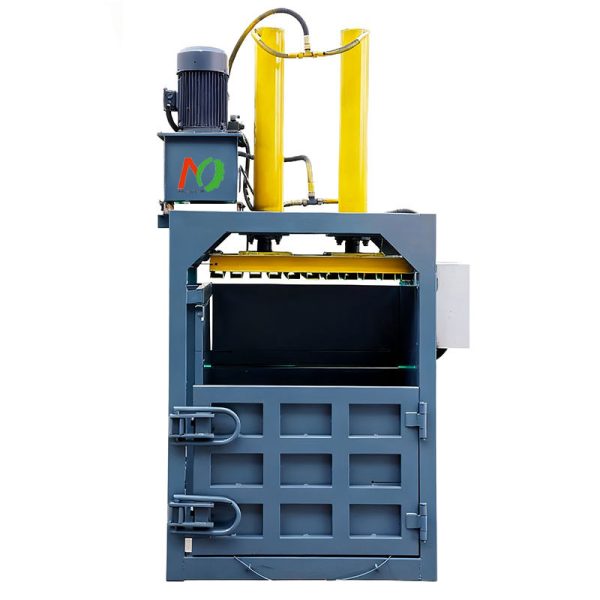
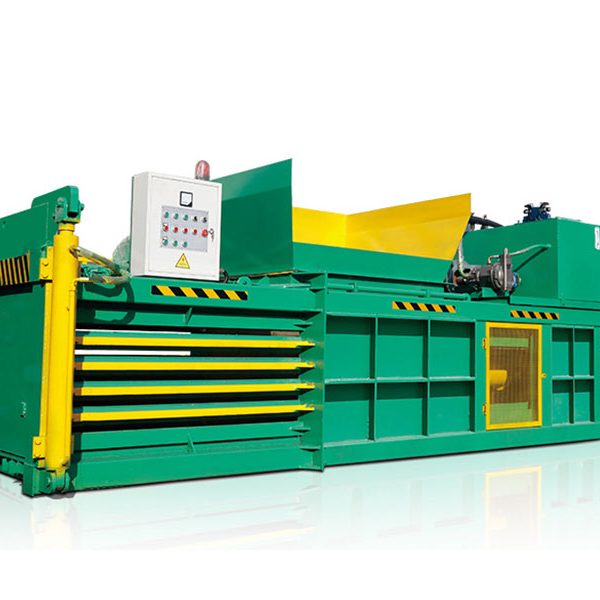
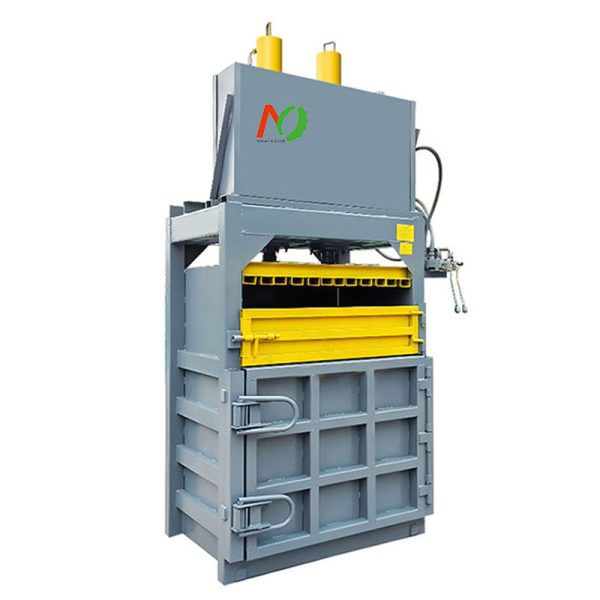
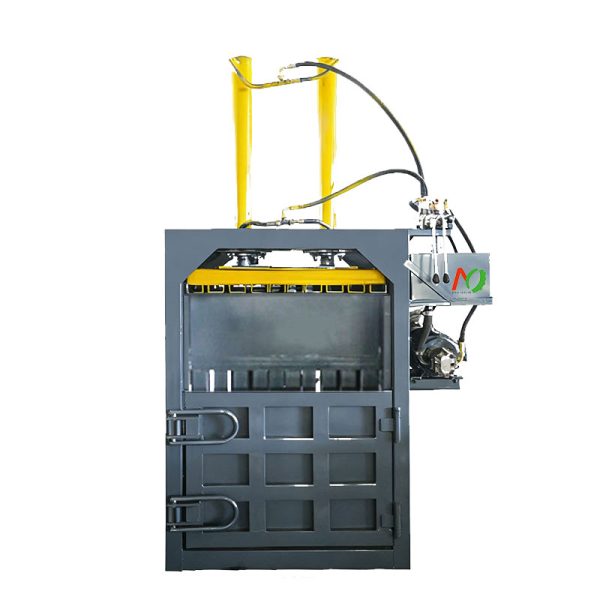
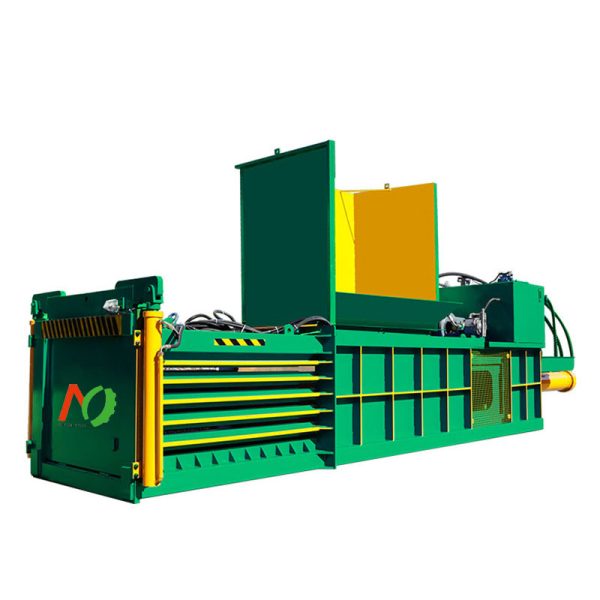
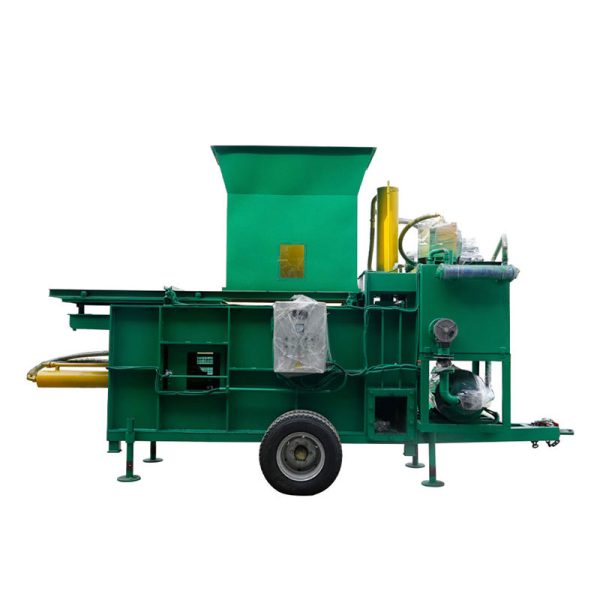
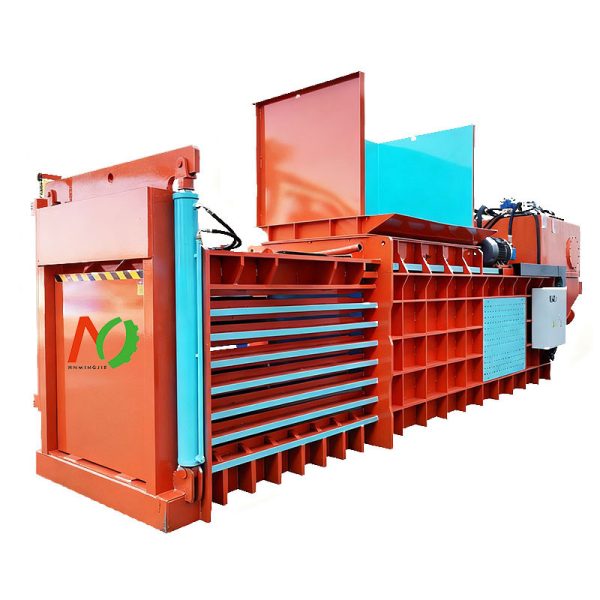
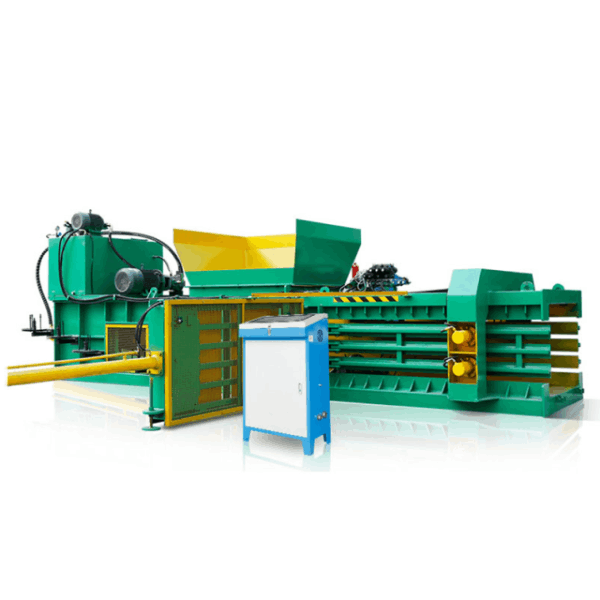
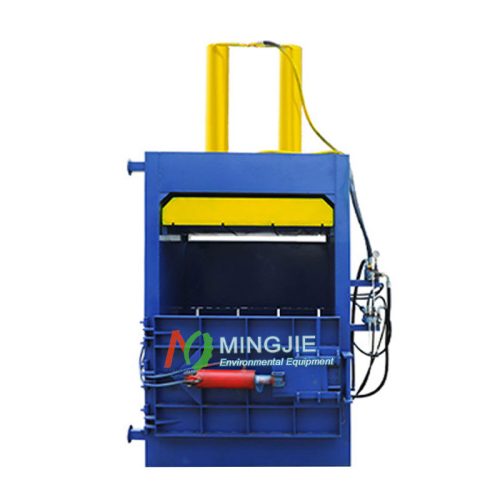
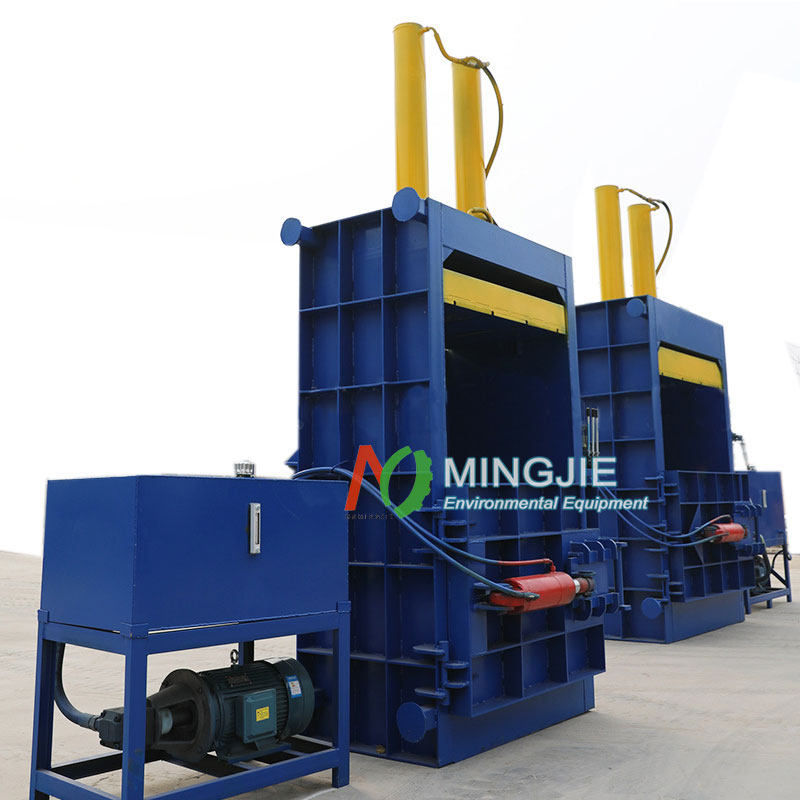
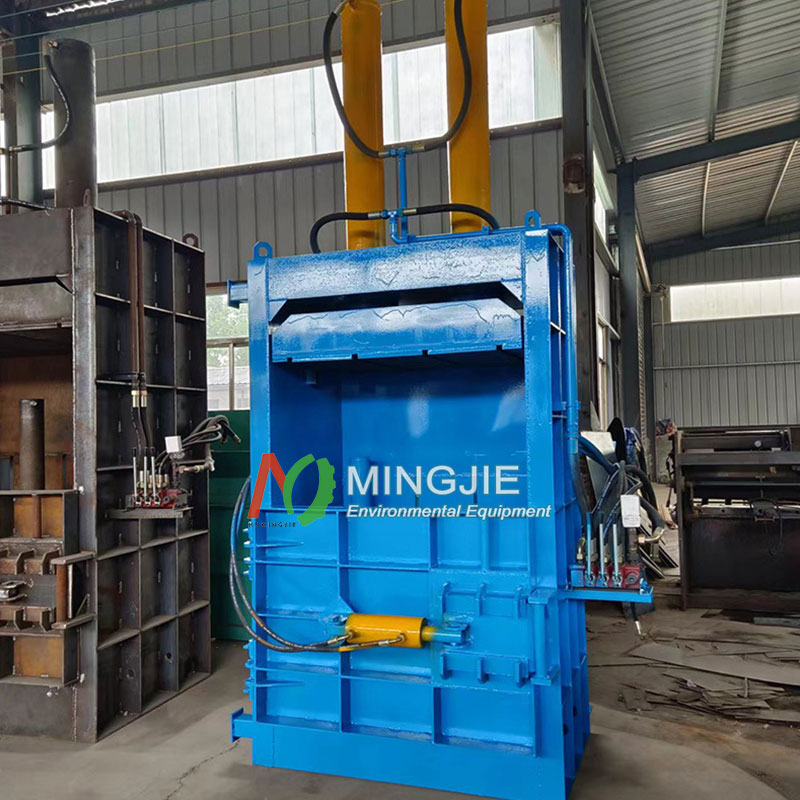
The vertical downstroke baler features a fully welded steel body and high-strength, pressure-bearing components. It overcomes the drawbacks of conventional vertical balers, which are prone to deformation under high loads and have a short lifespan.
The heavy duty vertical baler is the preferred choice for handling hard materials (such as metal shavings and thick plastics) and high-frequency operations. It can not only withstand the impact of long-term high-pressure compression, but also adapt to harsh working conditions, providing businesses with a stable and long-lasting compression solution.
Parameters
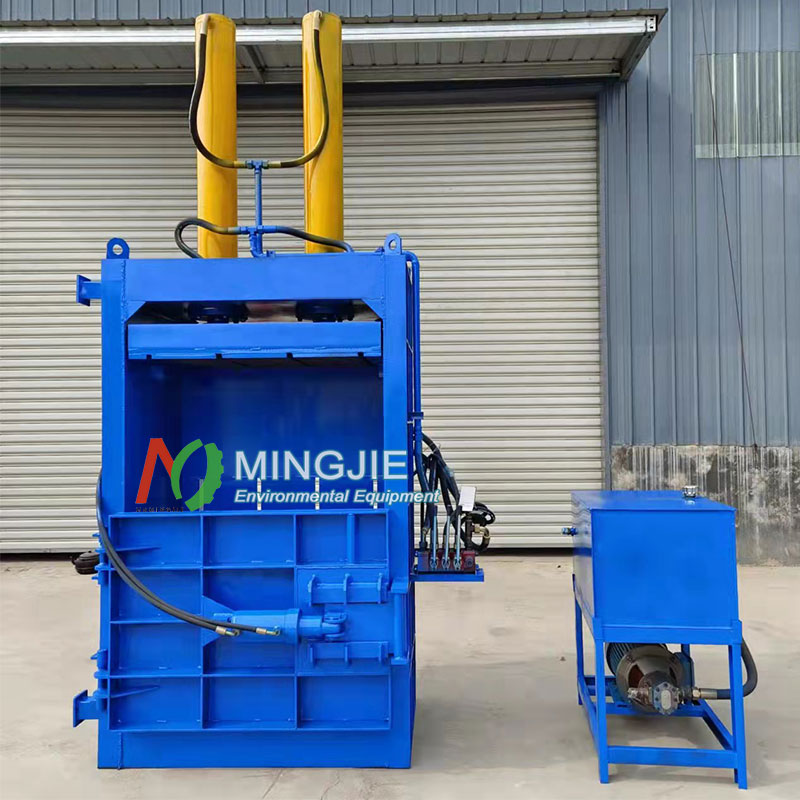
| All Steel Plate Vertical Downstroke Baler | Model | Power | Cylinder Diameter(mm) | Machine Size(mm) | Packed Size(mm) |
| MJV-120T | 18.5kw | 180 | 1700H | 1200*800*1000 | |
| MJV-200T | 22kw | 230 | 1700H | 1500*1100*1000 | |
| MJV-300T | 22kw | 230 | 1700H | 2000*1100*1100 |
Core Design
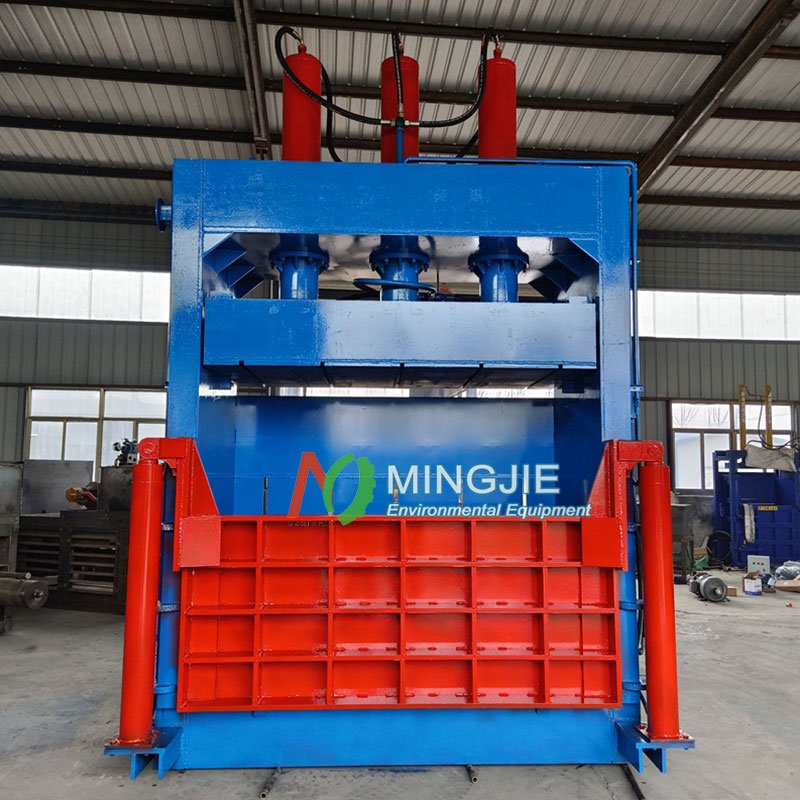
All-Steel Plate Welded Body
Constructed entirely of high-strength steel, it replaces the cast iron base or thin steel plate splicing structures found in conventional models. It can withstand the lateral impact forces generated by long-term high-pressure compression, eliminating compression deviation and oil leakage problems associated with conventional models due to deformation.
Steel Plate Compression Chamber
The compression chamber, the component directly bearing the material’s pressure, is constructed from wear-resistant steel plate. For easily abrasive materials like metal chips and thick plastics, the compression chamber can further enhance wear resistance.
Steel Plate Guide and Support Components
Key components, such as the compression head’s guide rails and the hydraulic cylinder’s support base, are machined from steel plate. This prevents uneven wear of the cylinder and seal damage caused by insufficient guide accuracy. Compared to the cast iron guide rails used in conventional models, steel plate guide rails offer greater impact resistance. They are less likely to break or deform during sudden overloads, ensuring continuous operation of the equipment.
Advantages
High Compressive Resistance
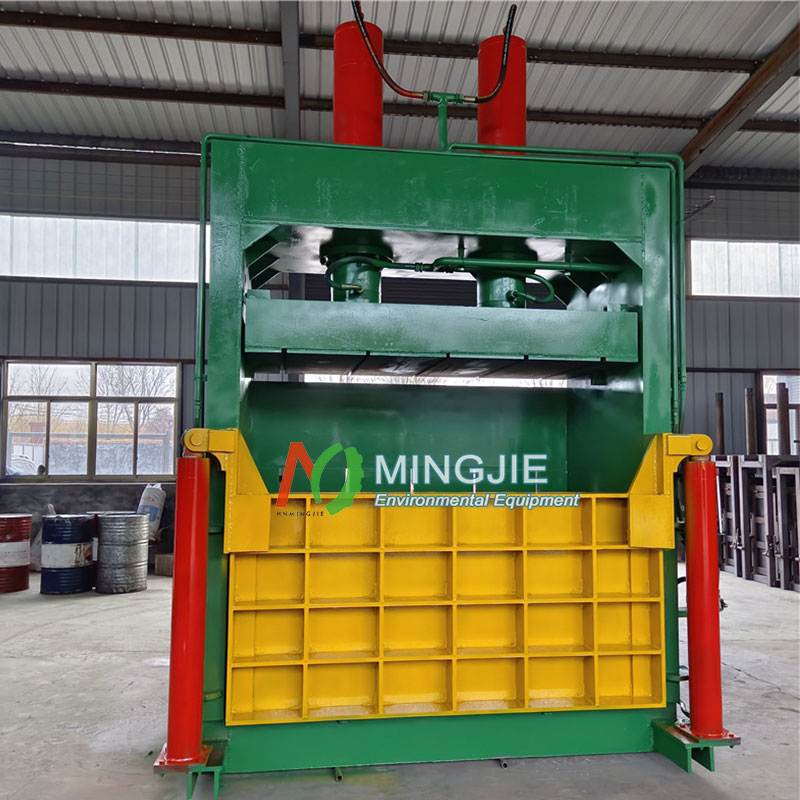
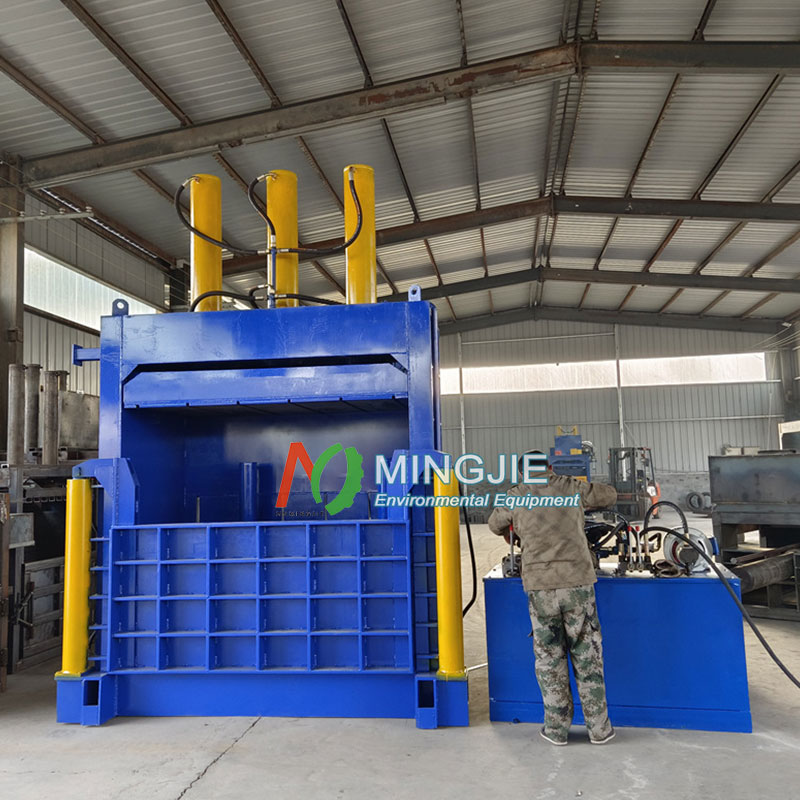
The structural strength of this all-steel plate vertical baler enables it to handle higher compression forces, even hard materials that are difficult for conventional models to handle. In the metal recycling industry, this reduces transport volume and lowers logistics costs when handling materials such as scrap steel and sheet metal.
High Durability
This all-steel plate vertical baler can continuously process materials such as scrap iron and aluminum chips. Its structural failure rate is low, exceeding 85% of that of conventional vertical balers.
Harsh Working Condition Resistance
All steel plate components of this heavy-duty vertical baler receive a three-layer anti-corrosion treatment: sandblasting, epoxy primer, and topcoat, providing over 500 hours of salt spray corrosion resistance. Even in dusty workshops, the steel plate structure is less susceptible to corrosion or seizure caused by dust accumulation.
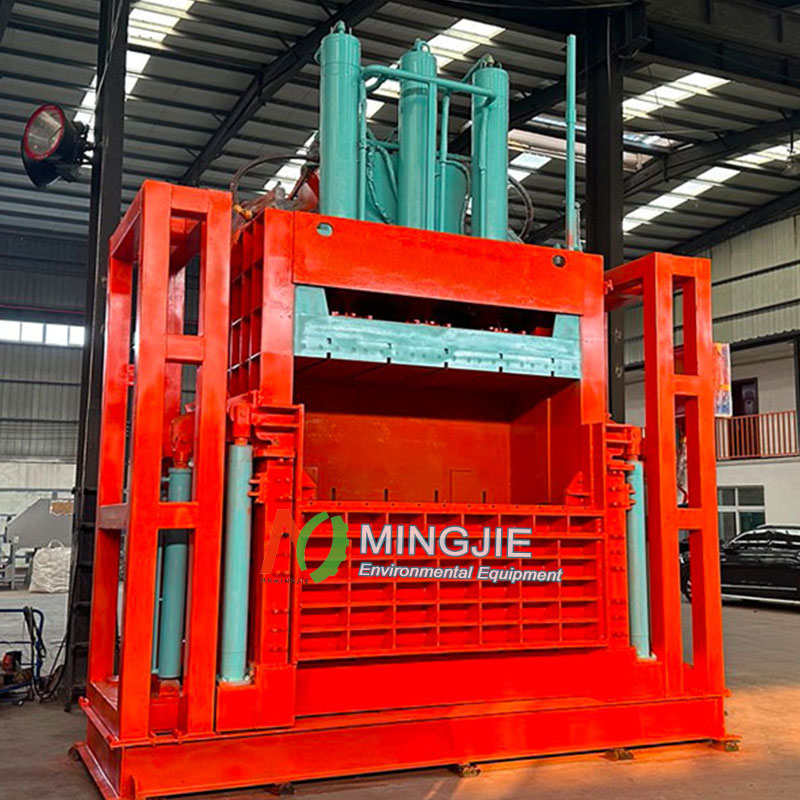
Strong Expandability
The high strength of the all-steel plate frame allows it to carry heavy auxiliary equipment, meeting complex processing needs.