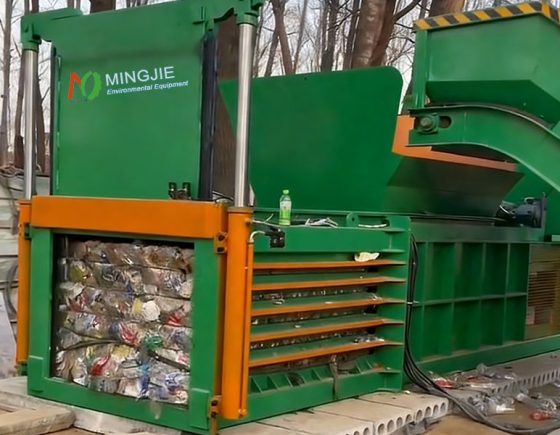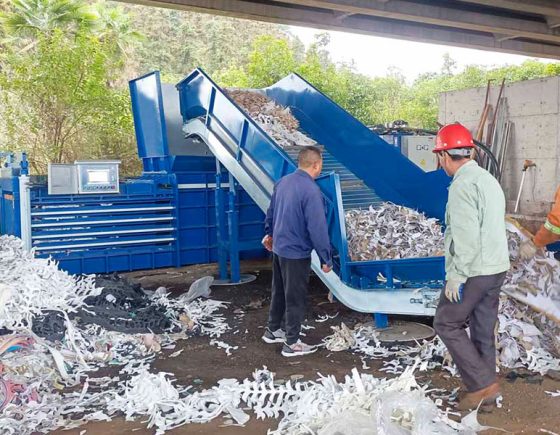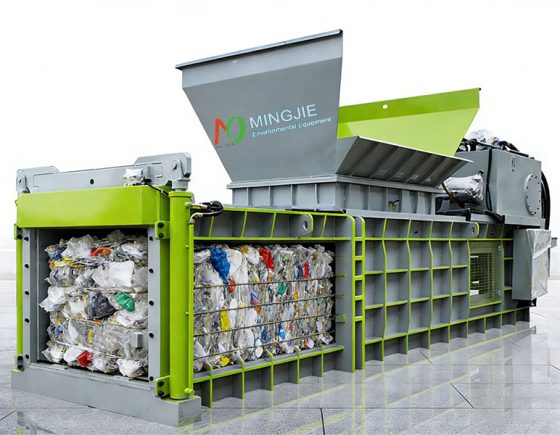
Recently, recycling operators have been upgrading their waste-paper processing lines, commissioning a large number of fully automatic horizontal balers. This shift is a response to the mounting pressure on waste cardboard recycling, driven by the surge in e-commerce shipments, new EU packaging regulations, and rising landfill taxes. Within the global circular economy, the horizontal baler has evolved beyond a simple compression tool. It has become a critical component for stabilizing recycling supply chains, ensuring the quality of baled paper, and controlling carbon emissions.
Industry research indicates that horizontal balers now account for more than half of the global market for waste-paper baling equipment—a share projected to reach approximately 57.2% by 2025—with their competitive advantage continuing to grow in high-volume recycling applications. Compared to vertical models, horizontal balers are better suited for continuous, assembly-line-style operations. They produce uniform, consistent-density bales, making them an ideal fit for established cardboard recycling workflows.
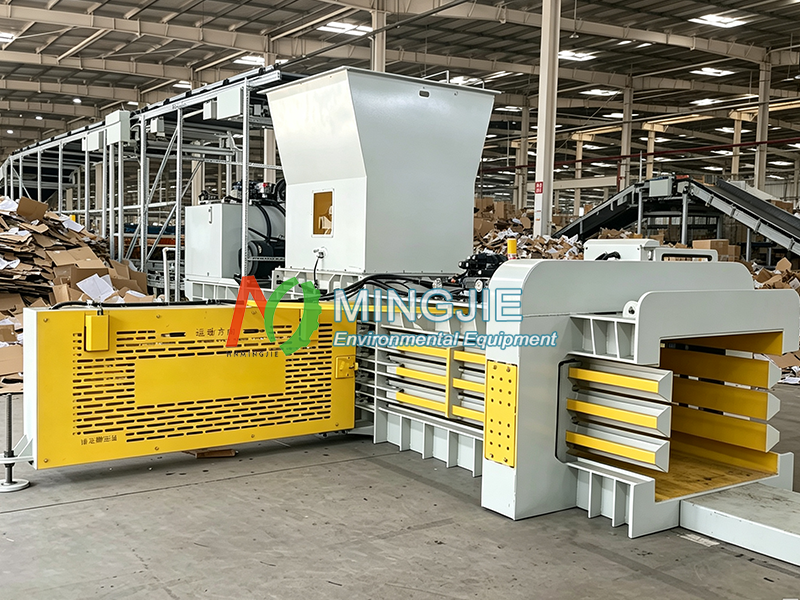
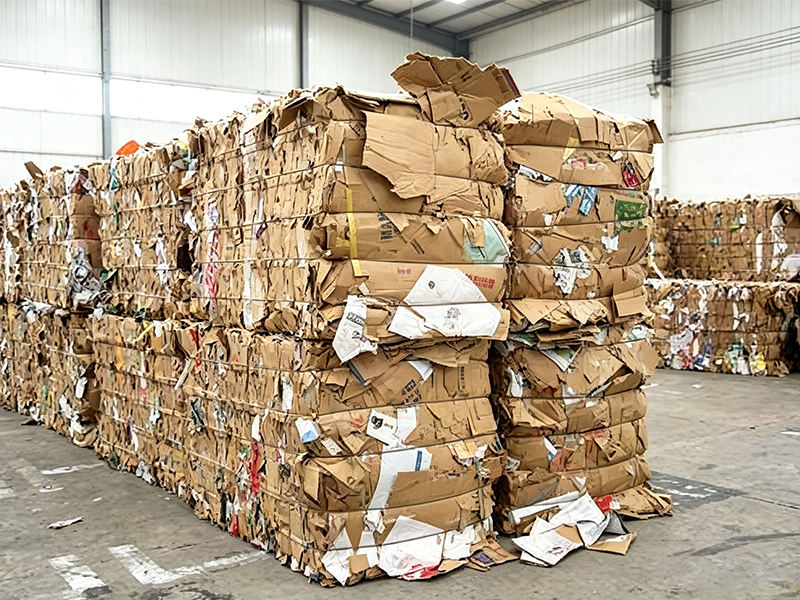
Fully Automatic Horizontal Balers Market
In the European market, the primary driver for these upgrades is the EU’s Packaging and Packaging Waste Regulation (PPWR). The new rules set strict requirements for the density and purity of baled waste paper. Bales that are loose, lack sufficient density, directly impacting the profitability of recycling companies.
Previously, many recycling facilities in Northern Europe and Spain relied on outdated baling equipment, which produced poorly formed, unstable bales. These bales were prone to breaking, leading to high costs for reprocessing. Recycling centers across Europe now largely agree that continuous, fully automatic horizontal balers are the preferred choice for meeting the new regulatory standards.
In the United States, e-commerce warehouses and retail distribution centers are the primary sources of waste cardboard. A comprehensive recycling operator in Las Vegas recently completed an upgrade project featuring a Fully Automatic Horizontal Cardboard Baler. Integrated into a sorting conveyor line, this equipment processes large volumes of used cardboard from the surrounding area on a continuous basis.
According to the project manager, the volume of commercial cardboard waste fluctuates significantly, peaking during holidays and major conventions. Older vertical balers, which are slow to load and incapable of continuous operation. It often leads to cardboard accumulation, occupying valuable and costly storage space. New fully automatic horizontal balers support continuous feeding via conveyors, automatic compression, wire-tying, and automated bale ejection. Requiring minimal human oversight, these systems are designed for stable, 24/7 operation. Once a bale is completed, the system can automatically trigger a notification for transport.
Demand for automatic horizontal paper balers is also surging in emerging markets across Latin America and the Middle East. In Mexico, a paper industry has deployed a fully automatic horizontal baler to process production offcuts, helping the plant meet local Zero-Landfill regulatory requirements.
In Peru, over twenty fully automatic horizontal balers have been installed in recent years to support urban recycling networks. Meanwhile, in the United Arab Emirates, packaging manufacturers have integrated horizontal balers directly into their production lines. by compressing cardboard scraps, these companies prevent the accumulation of loose waste, while simultaneously reducing the frequency of solid waste transport and lowering carbon emissions.