End-of-life tires (ELTs) are a classic example of solid waste characterized by large volume, low density, and significant challenges in storage and transportation. Tire baling machine serves as an indispensable, foundational hub within the ELT resource recovery value chain.
Due to their high elasticity and void-heavy structure, tires are extremely inefficient to store when left loose. A standard shipping container can hold only a few hundred loose passenger car tires, making long-distance transport costs a disproportionately large share of total recycling expenses. For larger tires, small-scale collection points and auto repair shops simply lack the capacity for bulk storage.
Meanwhile, downstream processes,such as continuous pyrolysis plants or shredding and sorting facilities, require a stable and consistent supply of feedstock. When tires are collected in a fragmented manner, the resulting batches are often heterogeneous and difficult to quantify, which hinders end-to-end traceability (dMRV) and Life Cycle Assessment (LCA). Many recycling projects fail not because of shortcomings in pyrolysis technology, but because the front-end collection, storage, and transport logistics are economically unviable, preventing a steady flow of tires to processing facilities.
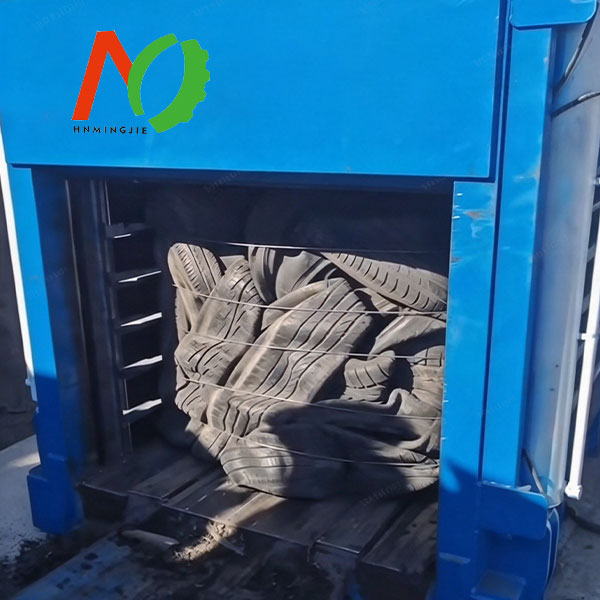
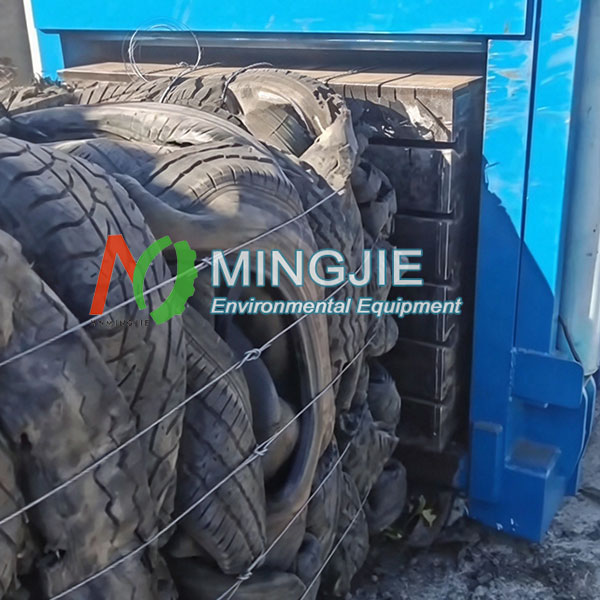
Tire Baling Machine for Solid Waste Recycling
A tire baling machine does not represent the end of the tire recycling process. Rather, it serves as a vital bridge connecting initial collection and transport with high-value downstream transformation.
Once delivered to a processing facility, the standardized, baled tires can be systematically fed into a shredding and magnetic separation system to extract steel wire from the rubber. The resulting rubber granules are then processed in a fully continuous pyrolysis system—an oxygen-free environment that converts the material into pyrolysis oil, non-condensable combustible gases, and recovered carbon black (rCB), effectively enabling the circular regeneration of rubber polymers.
The recovered carbon black can be modified for reuse in rubber products, while the pyrolysis oil serves as a chemical feedstock. This approach is currently a key focus for international carbon removal initiatives and circular economy subsidy programs.
Stable and traceable baled feedstock is a prerequisite for the continuous, reliable operation of a pyrolysis line. Inconsistent or highly variable incoming material can lead to unstable feeding in the pyrolysis reactor and fluctuations in product quality, complications that may hinder the certification of recovered carbon black and diminish the value of carbon credits. In this sense, the standardization of the baling process directly influences the potential for a price premium on the final products.
Beyond pyrolysis, baled tires can also be supplied for applications such as the production of reclaimed rubber and rubber powder, civil engineering backfill, or as tire-derived fuel (TDF). This flexibility allows enterprises to dynamically adjust the destination of their material based on market pricing, thereby enhancing their overall resilience to market risks.
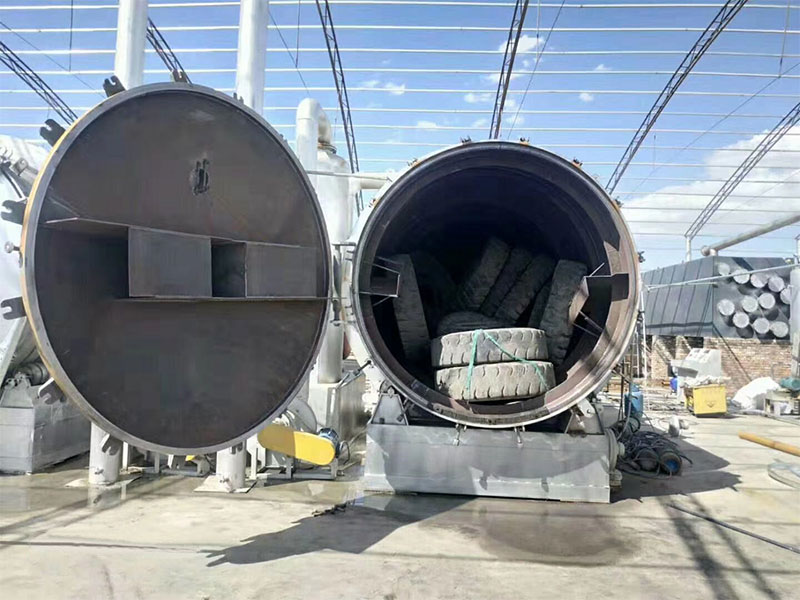
Hydraulic Tire Balers Enhance Economic Viability in Recycling Industry
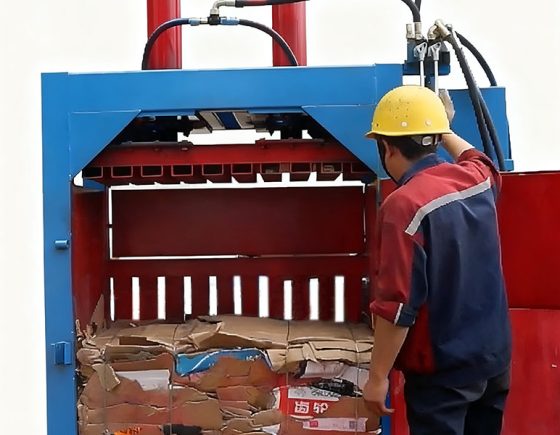
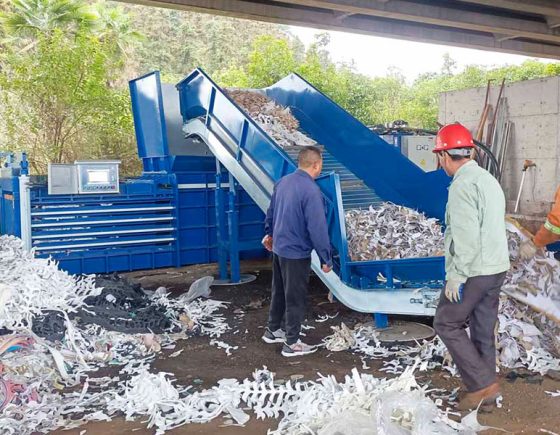
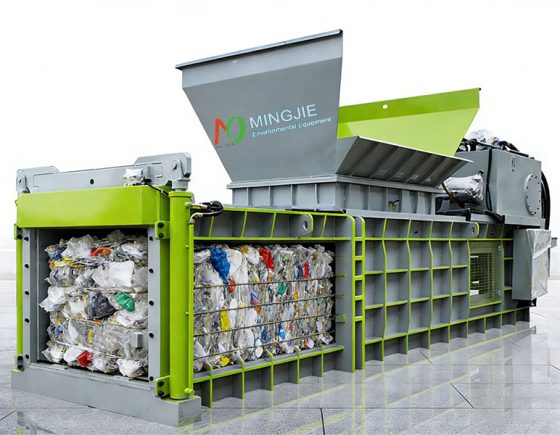
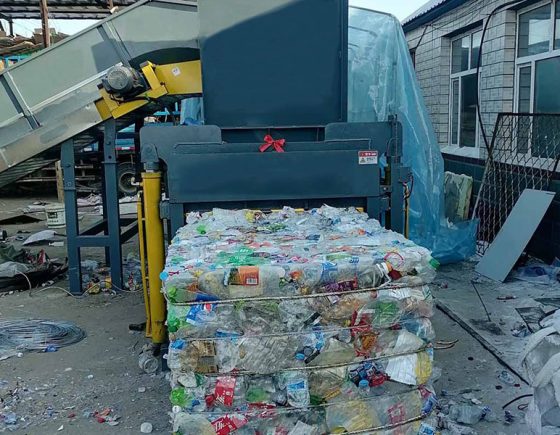
Professional tire baler utilizes heavy-duty hydraulic systems and is available in both vertical baler and horizontal baler configurations. They are designed to process tires from passenger cars, light trucks, and heavy-duty trucks. Through high-pressure compaction and steel-wire strapping, tire volume can be reduced by 75%–85%. The consistent density of each bale allows for a 3–4 fold increase in the payload capacity of transport vehicles, directly lowering fuel consumption and carbon emissions associated with logistics.
Key advantages of Tire Baling Machines
- Improved Storage Efficiency: Compacted, strapped bales can be stacked in an orderly fashion, significantly reducing the space required at distribution centers and transit hubs.
- Reduced Logistics Costs: The uniform shape of the baled tires facilitates mechanical lifting and is well-suited for standardized transport via shipping containers or semi-trailers. This leads to a substantial decrease in the costs of long-distance transport to pyrolysis facilities or rubber powder processing plants.
- Enhanced Safety and Compliance: Tightly stacked bales prevent the accumulation of stagnant water and the breeding of insects. This mitigates fire risks associated with open-air tire storage and ensures compliance with environmental regulations for solid waste management.
- Standardized Raw Material Supply: Tire Bales are weighed and marked by batch, laying the groundwork for full-chain traceability.