Vertical cardboard baler is widely used for solid waste volume reduction in sectors, such as waste paper recycling, carton manufacturing, e-commerce warehousing, and packaging facilities. With a low initial investment, a small footprint, and ease of operation, it is ideal for compressing and baling cardboard, corrugated paper, and carton scraps in small to medium-scale operations.
Cardboard Baler Capacity
Bigger is not necessarily better when it comes to baling equipment. You should prioritize matching the machine to your specific raw materials, available space, and daily processing volume.
For a daily processing volume of 1–3 tons of waste cardboard, a single cylinder small vertical baler—such as the MJV-8T, MJV-10T, MJV-20T, or MJV-30T1—is sufficient. These models feature manual feeding and manual tying.
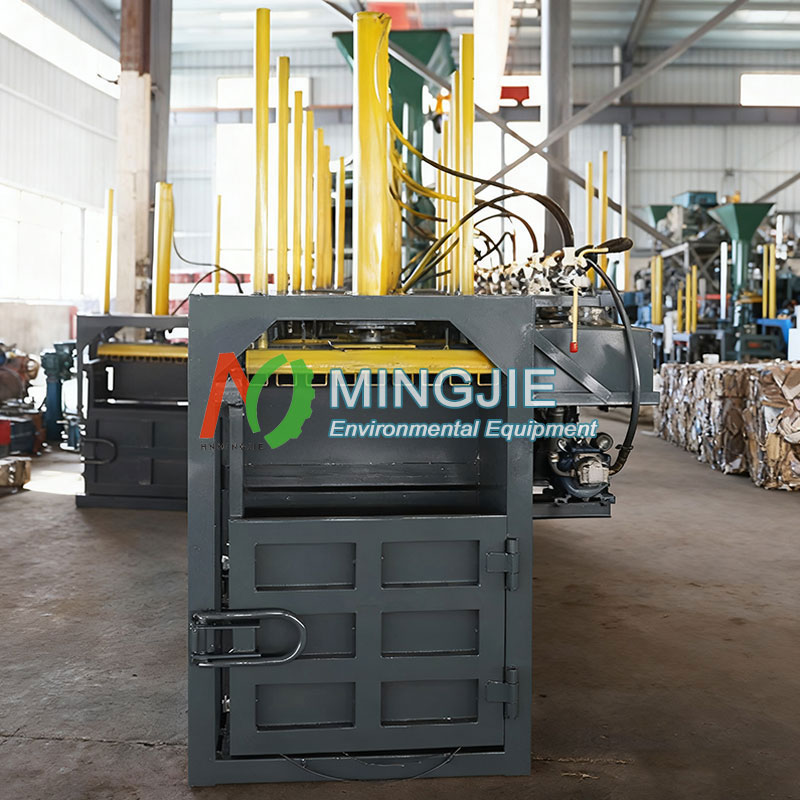

For a daily processing volume of 3–8 tons, a dual-cylinder vertical baler is the better choice (MJV-30T2, MJV-40T, MJV-60T, MJV-80T, or MJV-100T). These models offer higher compression force and faster baling speeds.
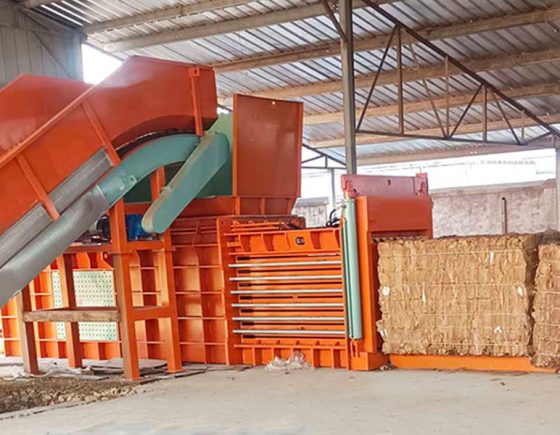
For a daily processing volume exceeding 8 tons, consider a heavy-duty, all-steel vertical heavy duty baler or a semi-automatic horizontal baler.
Selecting Vertical Baler Based on Raw Materials
For clean cartons and corrugated cardboard, a standard vertical baler is sufficient. If the raw materials are more complex or consist of thick, rigid cardboard, an all-steel, heavy-duty vertical baler is a superior solution. It ensures tight compression and prevents the bales from expanding or coming loose after being ejected.
Vertical balers feature a top-mounted hydraulic cylinder, which results in a significant overall height. Before purchasing, be sure to verify the ceiling height of your facility and the width of your doorways and access paths.
The core value of a paper baler lies in its ability to reduce the volume of cardboard with minimal investment, thereby lowering storage and transportation costs. Selecting the right vertical cardboard baler means finding a model that aligns with your specific raw materials and production capacity.