The aluminium scrap baling machine is a core piece of pre-processing equipment in the aluminum recycling supply chain. Aluminum alloys are non-ferrous metals that can be recycled infinitely. As the recycled aluminum industry continues to grow, large quantities of aluminum profile offcuts are being recovered. In their loose, bulky state, these materials are difficult to store, expensive to transport, and result in significant losses during the smelting process.
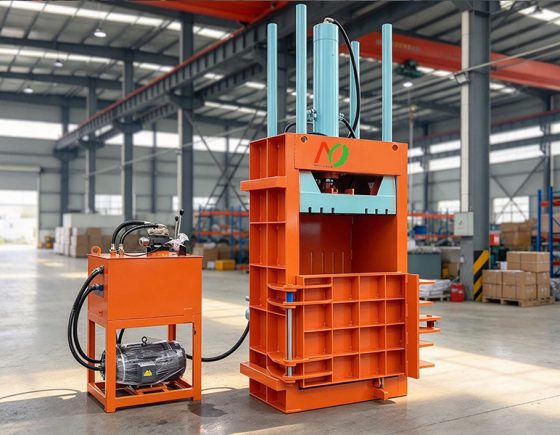
The all-steel vertical downstroke baler equips with a cutting blade to trim oversized materials. It enables the simultaneous compression and cutting of long aluminum alloy pieces, eliminating the need for a separate pre-cutting or shredding step.
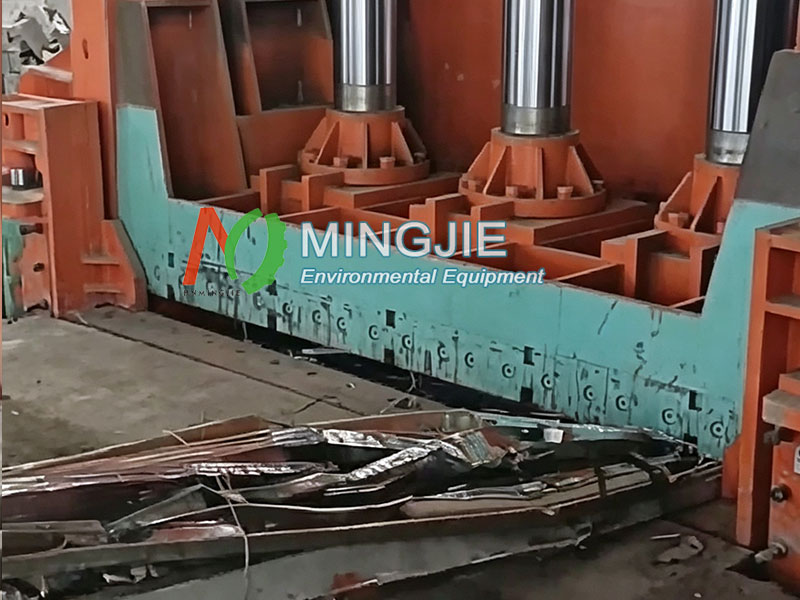
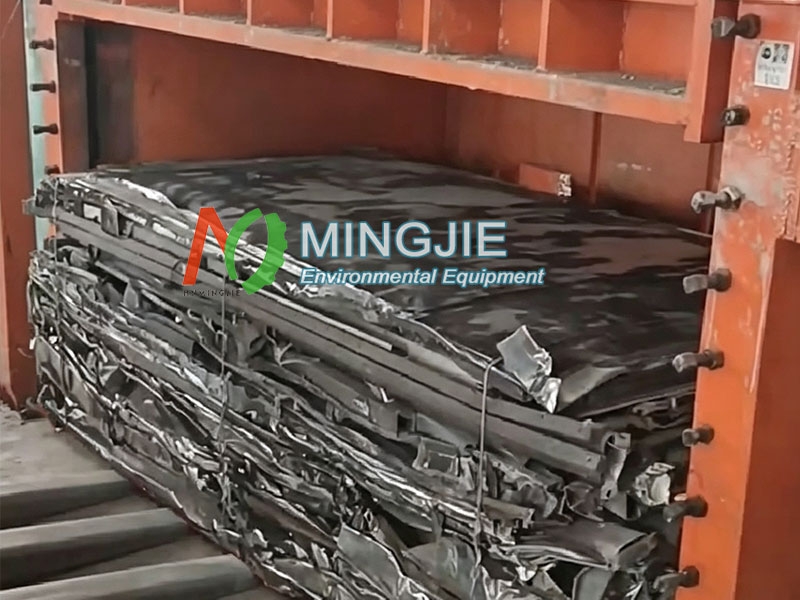
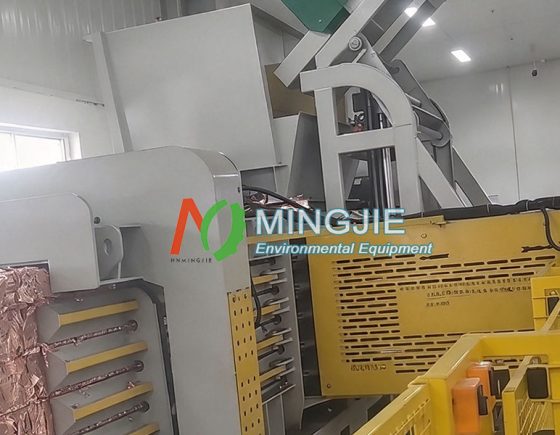
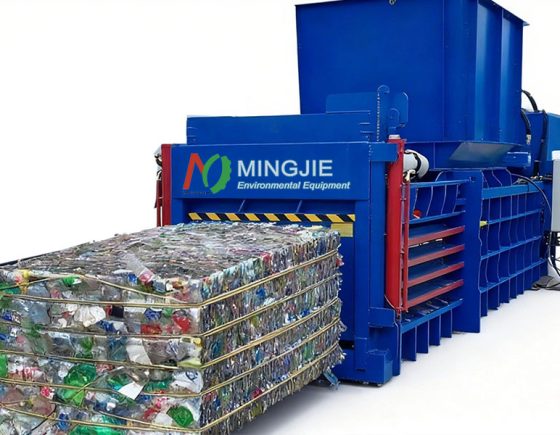
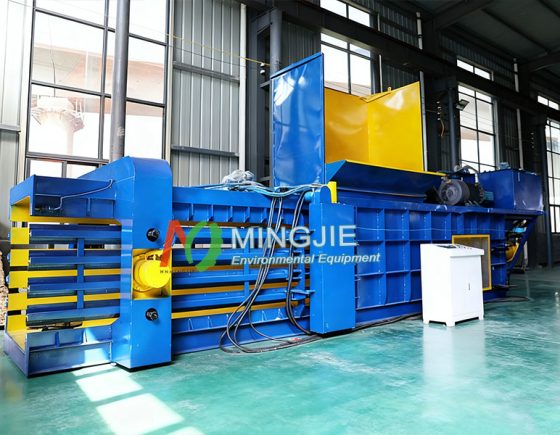
By utilizing a high-pressure hydraulic system, a metal baler compresses loose, disorganized aluminum scrap into high-density, uniform bales. It can effectively address key pain points in the aluminum recycling industry. These scrap baling machines are widely used in aluminum profile manufacturing plants, non-ferrous metal smelters, and automotive dismantling facilities.
This all-steel aluminium scrap baling machine is constructed using thickened, wear-resistant steel plates. Its compression chamber, platen, and door frame have all been reinforced. During the downward stroke, the aluminum scrap baler is capable of performing both shearing and compression operations simultaneously.
- As the pressure plate descends, the portions of the aluminum alloy profiles extending outside the compression chamber are automatically sheared off.
- Simultaneously, the aluminum material inside the chamber is compressed. The hydraulic baler system maintains continuous pressure, ensuring the resulting bale has a stable, solid structure.
- Once formed, the bale is strapped and ejected from the aluminium scrap baling machine.
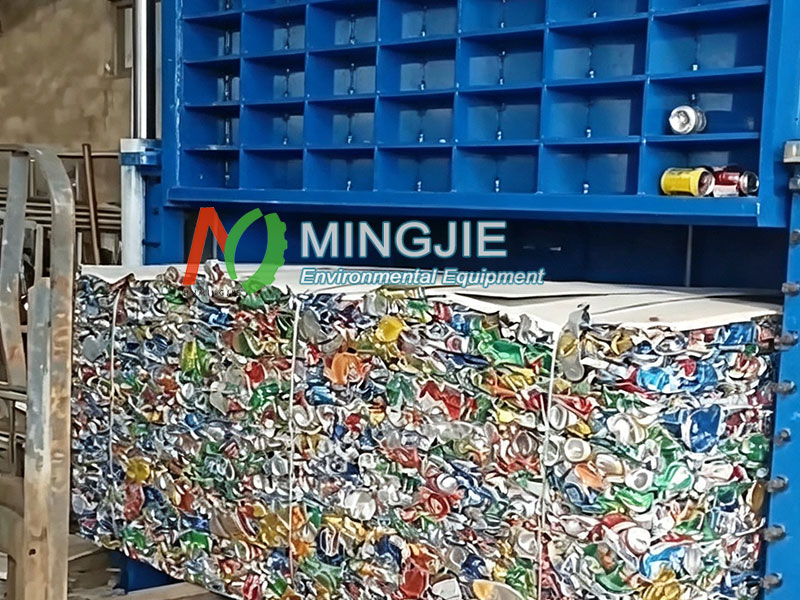
What Types of Materials can Aluminium Alloy Baling Machine Process?
Aluminium alloy balers are highly versatile and capable of handling a vast range of aluminum scrap, including:
✅ Aluminum profile offcuts, thermal-break aluminum, and scrap from aluminum doors and windows.
✅ Aluminum shavings, chips, swarf from machining, and die-cast aluminum fragments.
✅ Used aluminum beverage cans (UBCs), aluminum foil, and thin aluminum sheets.
✅ Aluminum components from vehicle dismantling, shredded aluminum wheel rims, and aluminum housings from household appliances.
✅ Various types of mixed, lightweight aluminum alloy scrap.