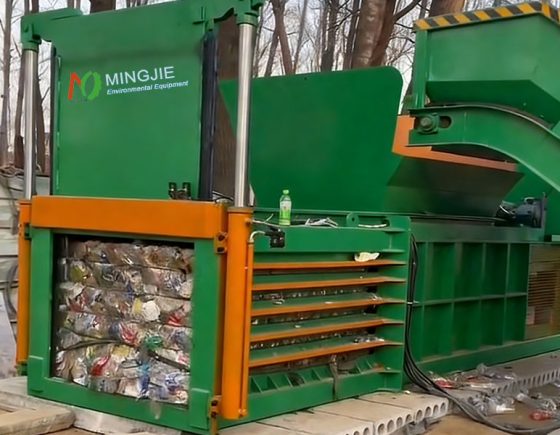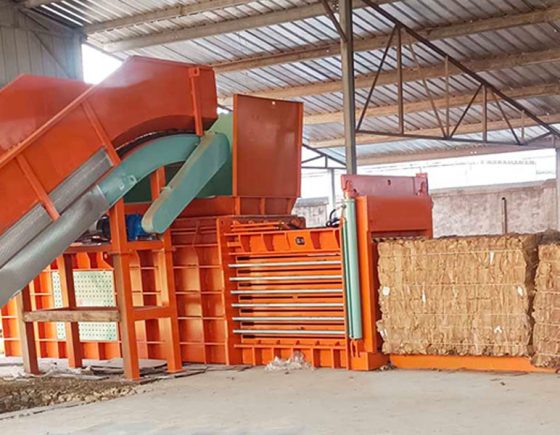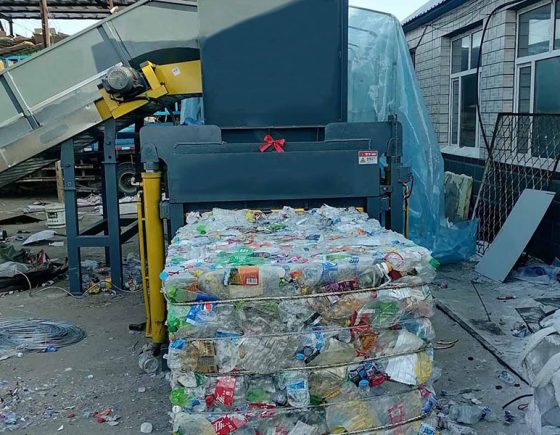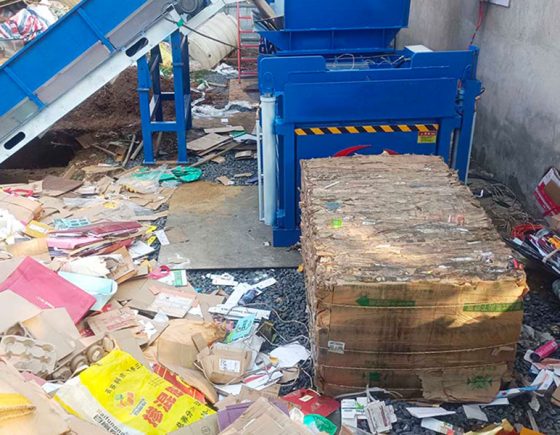
Rag baler provides an effective solution for the recycling of textile scraps. It effectively addresses problems such as difficult storage, expensive transportation, and low utilization efficiency in textile recycling. Textile balers are suitable for scraps from garment production, shredded materials after sorting waste clothing, and waste fabrics from textile enterprises.
Textile scraps possess unique physical properties, posing significant challenges to their packaging and processing.
- They are diverse in material, encompassing cotton, linen, synthetic fibers, and blends. Some synthetic fiber scraps are highly elastic and prone to fluffing, easily rebounding after conventional compression.
- They are irregular in shape, ranging from sheet-like cut scraps to fine fiber fragments.
- Some scraps contain impurities, easily contaminating other materials if not handled properly.

Customized Solutions for Textile Scrap Packing
Designed specifically for the characteristics of textile scraps, rag balers have undergone technological optimization, making them the most suitable textile baling machine currently available.
Pressure and Structural Optimization
Addressing the high elasticity of synthetic fiber scraps, professional textile balers employ a progressive pressurization design. Compression pressure can be adjusted according to the material. Simultaneously, the inner wall of the compression chamber is lined with anti-slip, wear-resistant plates to reduce friction between the fibers and the chamber, preventing rebound.
Suitable for Diverse Scraps
Rag balers are specifically designed for compressing and baling flexible materials such as waste textiles, old clothes, cotton scraps, cloth scraps, towels, shoe materials, and textile offcuts.
Sealed Baling
The purity of textile scraps directly affects subsequent recycling. Rag balers enhance the value of materials through a sealed baling design. The bales are secured with multiple layers of PET strapping, and the bale surface is coated to effectively isolate moisture and dust.
How to Choose Rag Baler
When choosing a rag baler, pay attention to the following aspects:
Processing Capacity and Bale Density
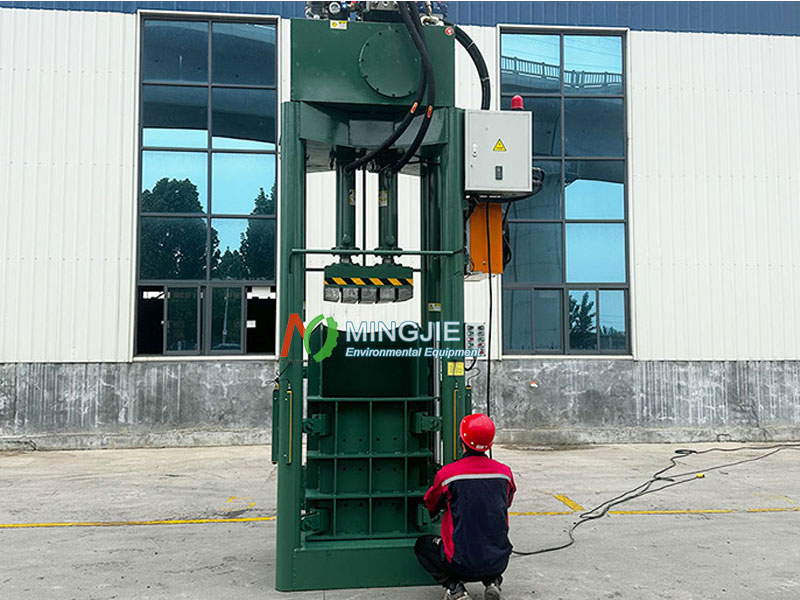
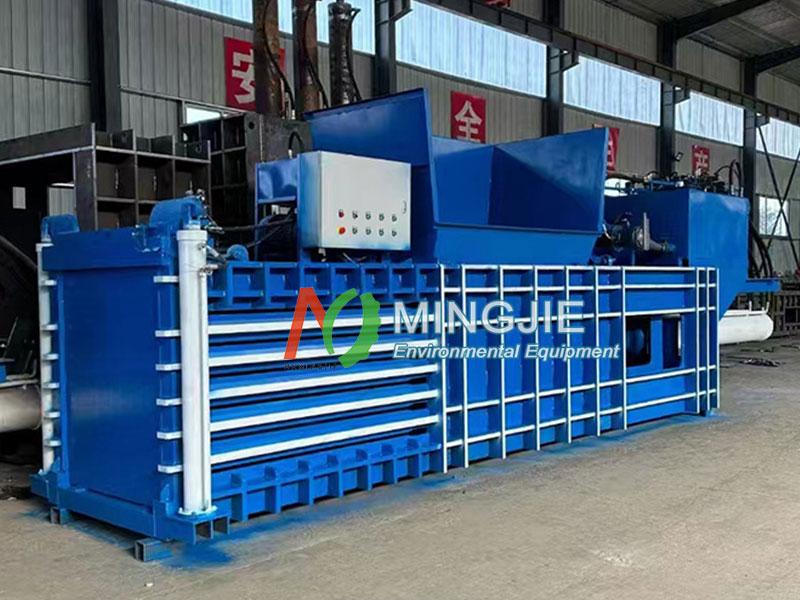
Select the textile baler model based on the volume of cloth shreds it can process. Recycling stations or textile mills with large processing volumes require horizontal balers with higher pressure to ensure efficiency and bale density. Vertical balers are suitable for small processing workshops.
Power System
There are mainly hydraulic drive and mechanical drive two types. Hydraulic systems provide greater pressure and have wider adaptability, making them the mainstream choice.
Automation Level
Manual/semi-automatic balers have lower investment costs and are suitable for small-volume cloth baling. Fully automatic horizontal balers are more expensive but significantly save labor and improve efficiency. They are suitable for enterprises with stable production and larger scale.