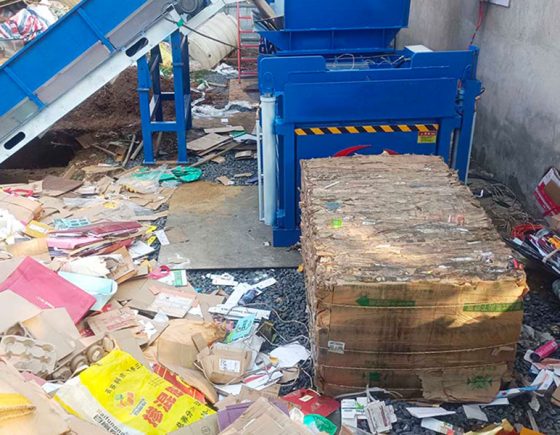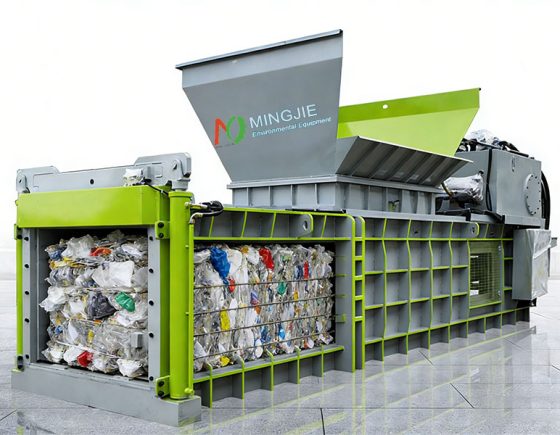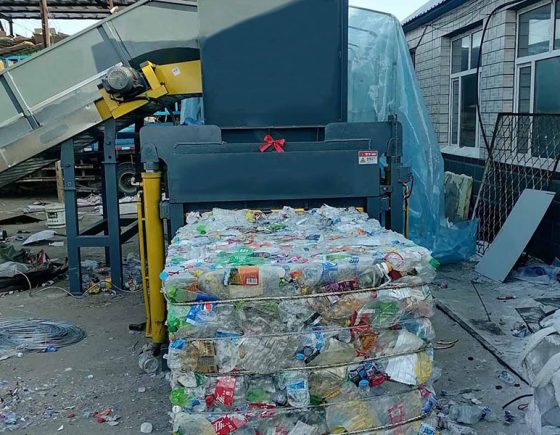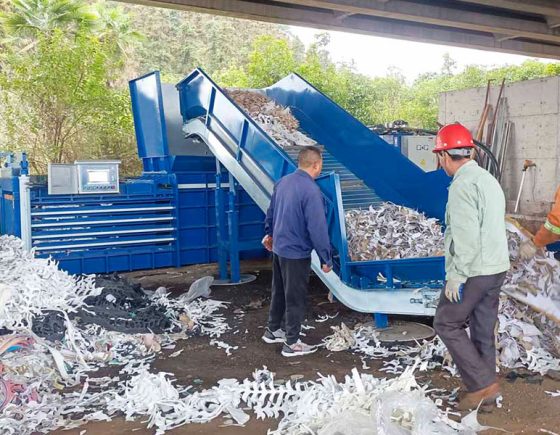
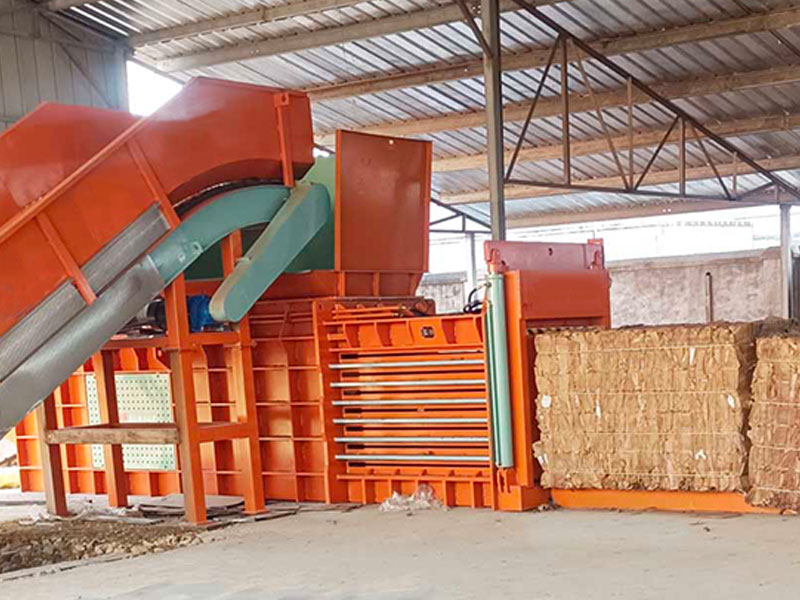
Hydraulic balers generate immense pressure, efficiently compressing and baling various types of loose materials such as waste paper, waste plastics, and waste metals. Their applications are extremely wide-ranging.
- Large waste recycling stations receive large quantities of different types of waste daily. Hydraulic balers easily handle these complex materials, compressing them into bales that are easy to transport and store.
- In paper mills, large quantities of waste paper require pre-processing. Hydraulic balers can quickly compress waste paper, reducing storage space and facilitating subsequent paper production processes.
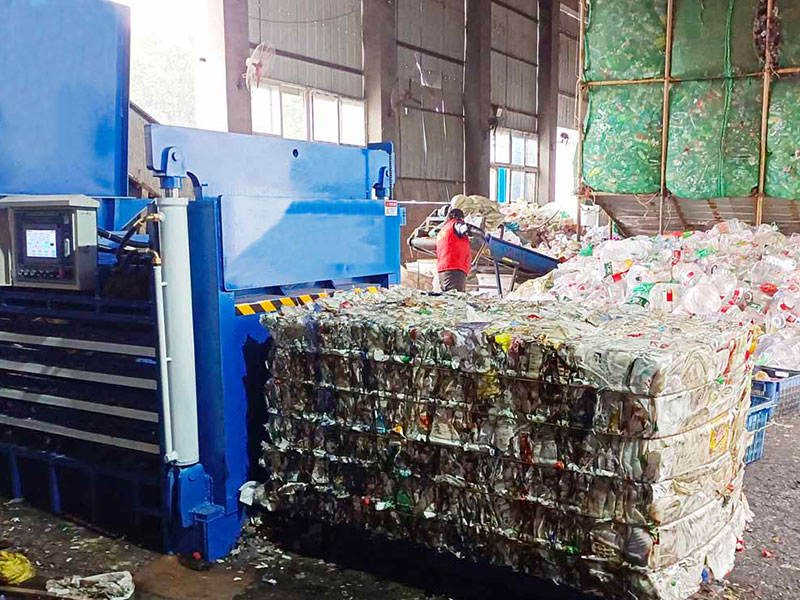
- In plastic processing plants, the recycling of waste plastics also relies heavily on hydraulic balers. They can compress waste plastics of various shapes and textures into regular blocks, facilitating reprocessing.
Benefits of Hydraulic Balers for Businesses
Reduce Costs, Bring Economic Benefits
Regarding transportation costs, hydraulic balers drastically reduce waste volume by compressing it into compact bales.
Take waste plastic recycling as an example. Unbaled waste plastic is bulky and occupies a large amount of transportation space. A typical transport vehicle can only carry a small amount of waste plastic at a time, leading to frequent trips and high transportation costs. However, by using hydraulic baler equipment to compress the waste plastic, its volume can be reduced to a fraction of its original size.
The same transport vehicle can carry a significantly larger amount of waste plastic per trip, resulting in fewer trips. Transportation costs for waste plastic can be reduced by approximately 30% – 50%.
The advantages of hydraulic baling equipment are also evident in storage costs.
Unbaled waste is often irregularly shaped, occupying a large amount of storage space. Storing this unbaled waste requires renting large areas of land, undoubtedly increasing operating costs for businesses. Waste processed by baling equipment produces regularly shaped bales, making it easier to stack and store. Businesses can use automated shelving and other methods to efficiently store packaged waste, greatly improving the utilization rate of storage space.
Promote Resource Recycling and Environmental Protection
In resource recycling, hydraulic baling equipment efficiently collects and organizes various recyclable wastes, facilitating subsequent resource reuse.
For example, in metal recycling, hydraulic baling equipment compresses scrap metal into tight bales, making transportation and sorting easier. These bales, transported to metal smelters, can be smelted and reprocessed more efficiently, significantly increasing metal recovery rates. Statistics show that using baling equipment can increase metal recovery rates by 10%-20%.
In environmental protection, hydraulic baler machine reduces the volume of waste, lowering the risk of pollution during transportation and storage.
For volatile, toxic, and hazardous wastes, hydraulic baling equipment seals them within bales, reducing leakage and diffusion of harmful substances. Hydraulic baling equipment also promotes the development of a circular economy, reducing landfill and incineration. This reduces greenhouse gas emissions and makes a positive contribution to environmental protection.