In the recycled metal industry, loose waste such as scrap iron sheets, aluminum cans, aluminum scraps, copper shavings, and thin materials have long plagued recycling stations. Ordinary thin-plate welded balers lack sufficient pressure resistance, easily deforming during metal compression, leading to frequent maintenance and severely impacting continuous production. The all-steel plate vertical hydraulic metal baler is specifically designed for high-intensity compression of metal scrap. With its robust structure and stable hydraulic power, heavy duty vertical hydraulic metal baler has become the mainstream choice for small and medium-sized recycling stations, machining enterprises, and scrap metal distribution centers.
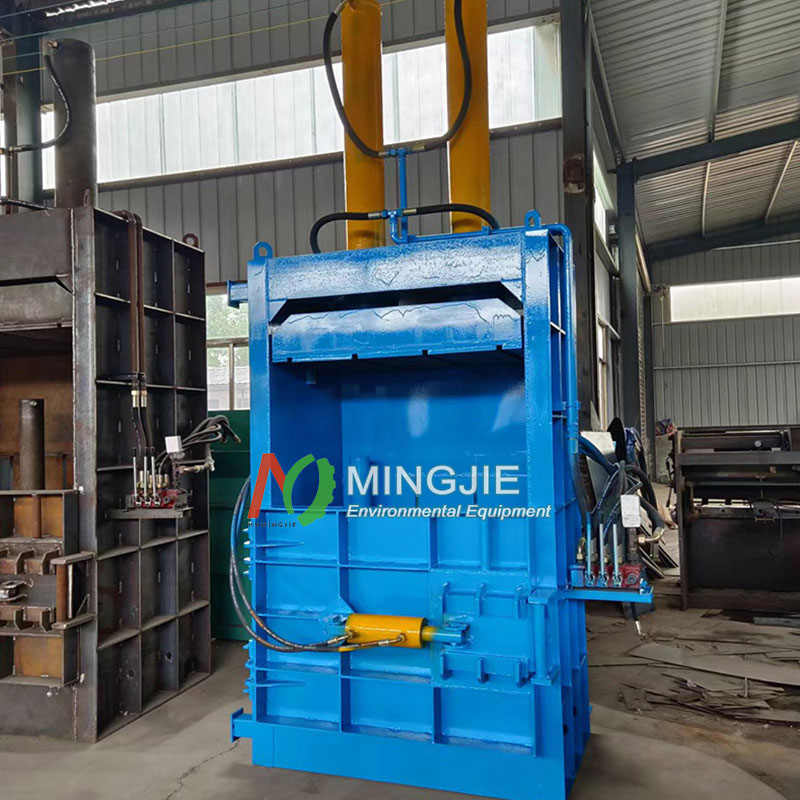
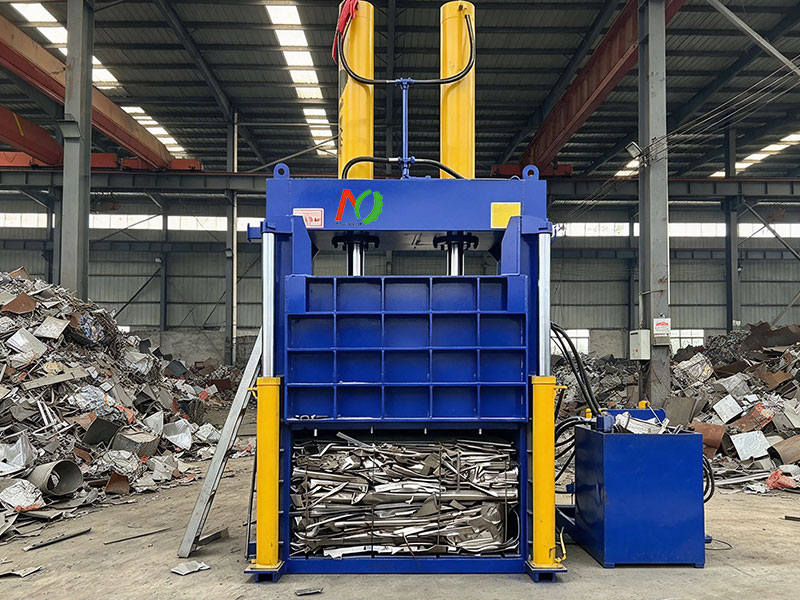
Special Design of Hydraulic Metal Baler
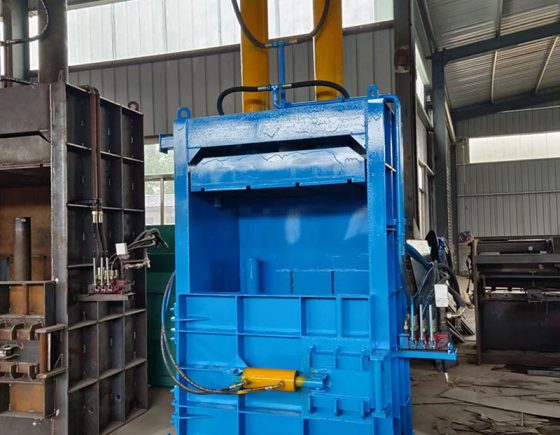
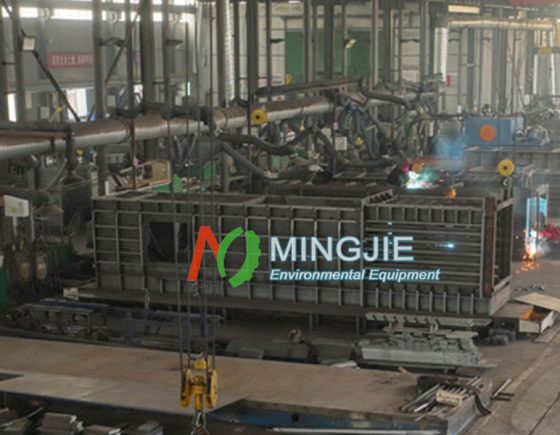
Unlike ordinary vertical balers, the vertical hydraulic metal baler features an all-steel plate structure. Its frame, material box side plates, pressure head, guide plate, door, and tie rods are all fully welded from thickened solid steel plates. Key pressure-bearing areas are additionally reinforced, and the welds are stress-treated, enabling it to withstand continuous high-tonnage hydraulic pressure. This allows the vertical hydraulic metal baler to compress hard metals without bulging, deformation, or cracking.
The all-steel plate vertical hydraulic metal baler has a significantly extended service life and is suitable for the repeated impact compression of hard metal materials such as scrap iron, scrap aluminum, stainless steel scraps, metal cans, and copper shavings. The pressure head is made of thick steel plate and equipped with a high-strength chrome-plated cylinder, providing wear resistance, impact resistance, and stable pressure maintenance. Cold pressing does not alter the metal material, resulting in tight, uniform bales with consistent density, facilitating wire binding, stacking, storage, and loading for transportation.
The vertical downward compression structure is a major advantage of the hydraulic baler for metal recycling. Compared to large horizontal balers, it occupies less space and requires no complex civil engineering foundations. The all-steel plate vertical hydraulic metal baler is equipped with a hydraulic locking door and a hydraulic bale pushing mechanism. It is ideal for recycling shops with limited space, workshop corners, and small to medium-sized sorting centers.
How Does A Vertical Scrap Metal Baler Work?
- Put loose scrap metal into the hopper and close the hydraulic locking door.
- Start the hydraulic system, the cylinder drives the pressure head to repeatedly pressurize and compact the metal from top to bottom.
- Once the set density is reached, maintain pressure to complete the binding.
- The finished bale is then automatically pushed out by the bale pushing cylinder.
Simple training allows one person to operate the vertical metal scrap baling machine, lowering the labor threshold. The hydraulic door lock structure is also reliable. The door will not accidentally pop open during the pressing process, improving on-site safety.
Against the backdrop of green and circular development in the industry, recycled metals are a crucial sector for energy conservation, emission reduction, and reducing primary mineral mining. To enhance competitiveness, metal recycling stations need not only a stable supply of materials but also upgraded equipment to reduce operating costs. All-steel plate vertical balers combine durability, flexibility, and cost-effectiveness.
From the perspective of the entire scrap metal recycling chain, the benefits of all-steel plate vertical hydraulic balers extend across multiple stages, including warehousing, logistics, and smelting. After compression, loose metal scrap can be reduced to 1/5 to 1/10 of its original volume.
With the same truck capacity, the loading capacity is multiplied, directly reducing long-distance logistics costs. Neat bales facilitate three-dimensional stacking, resulting in cleaner factory stockpiles and reduced site rental costs.
When delivered to smelting companies, high-density metal balers flow smoothly into the furnace, reducing voids, improving smelting efficiency, reducing burn-off, and allowing recyclers to command higher premiums on their metal scrap.