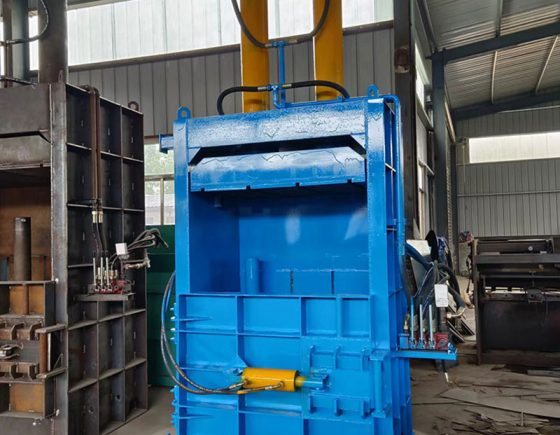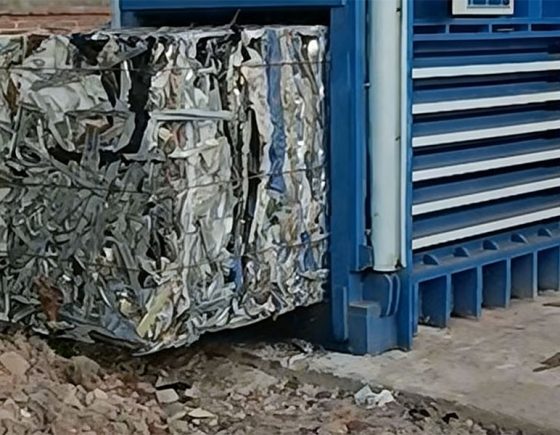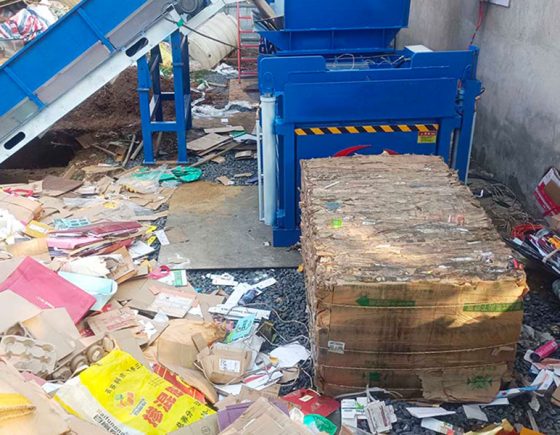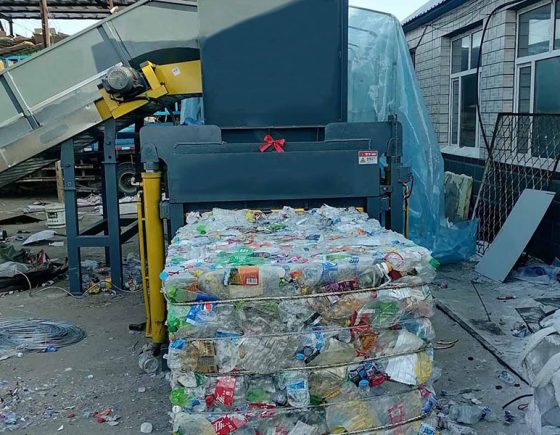
Plastic waste baler is a pre-treatment device that transforms disorganized waste plastic into standardized raw materials for industrial pyrolysis plant. It directly determines the stability, economic efficiency, and safety of the subsequent pyrolysis process. A good plastic baling system is fundamental to the successful operation of the entire plastic pyrolysis project.


Mingjie Company offers various models of vertical and horizontal baler machines for processing different types of plastics, such as such as medical waste, household waste, films, and mixed hard plastics. The baling of plastic waste before pyrolysis is a crucial link throughout the entire plastic waste treatment process. Plastic waste balers play an irreplaceable role in transportation, storage, pyrolysis efficiency, and safety.
Benefits of Plastic Waste Baler for Pyrolysis Projects
In industrial systems for plastic pyrolysis, the baling machine is not an optional auxiliary device. It is a core pre-processing component that ensures the efficient, stable, and safe operation of the entire system.
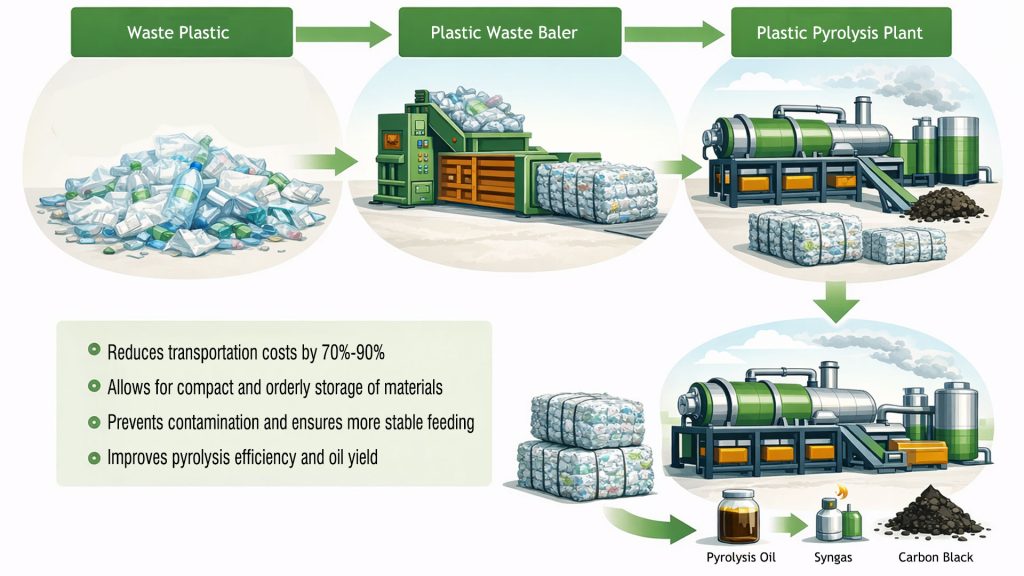
Improve Processing Efficiency and Economic Benefits
Loose plastic waste has a large volume, and direct feeding into the reactor results in extremely low space utilization. Plastic baler significantly increases the material density, increasing the processing capacity per batch several times over. This directly reduces the unit processing cost of plastic pyrolysis plant.
Each heating cycle of the pyrolysis reactor consumes a large amount of energy. Increased processing volume means a significant reduction in energy consumption per unit of output.
Stable Process and Guaranteed Output Quality
Waste plastics come from diverse sources (PE, PP, PS). The plastic waste baler crushes and mixes different types of plastics before compacting them, ensuring that each piece of material entering the reactor has a relatively uniform composition. This guarantees a stable pyrolysis process, resulting in more controllable quality and yield of oil and gas.
The dense bales allow for more uniform heat transfer in the reactor, preventing localized overheating or incomplete reactions.
Ensure Pyrolysis System Safety and Continuous Operation
During the compression process, air trapped in the plastic is expelled, and some residual liquids are squeezed out. The plastic waste baler greatly reduces the risk of accidents in the reactor.
The dense plastic bales can be stably fed into the pyrolysis reactor through an automatic feeding system. This facilitates continuous or semi-continuous production.