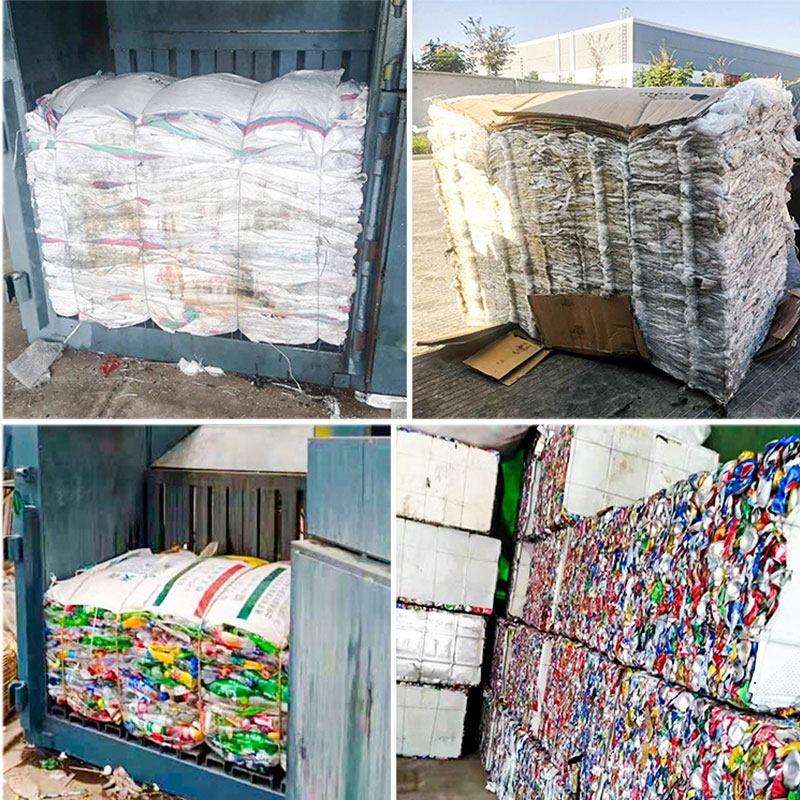
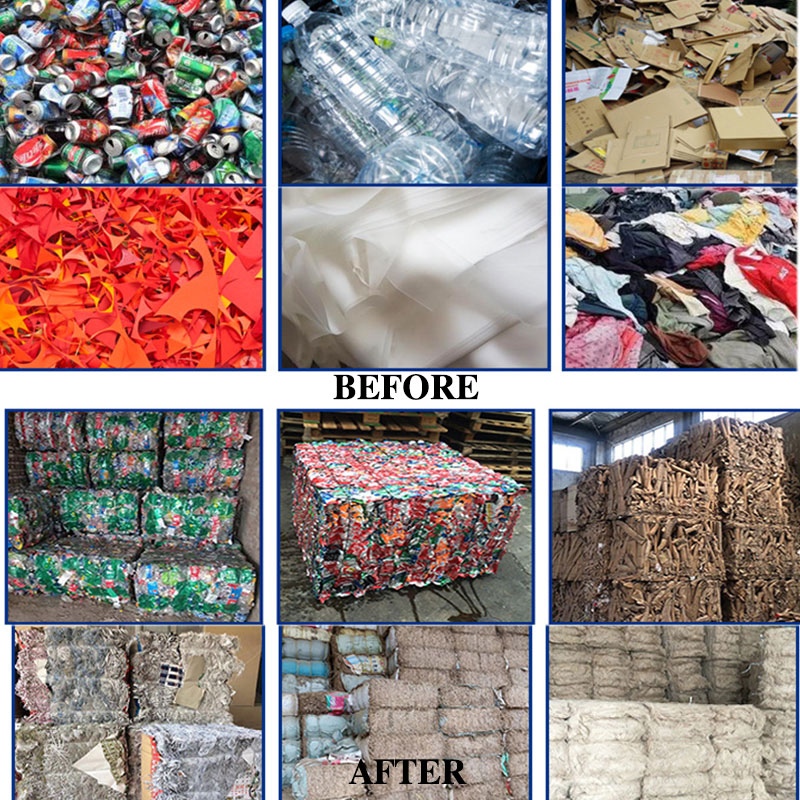
Baling machines bring significant economic benefits to businesses and society in the solid waste management process. They have become a powerful tool for reducing costs and increasing profits. The application areas of hydraulic balers are constantly expanding, including waste paper recycling, waste plastic recycling, scrap metal recycling, and municipal solid waste management.
In the field of waste paper, metal and plastic recycling, baling machines plays an indispensable role. They are a key link in turning solid waste into valuable resources.
Baling Machines for Waste Paper Recycling
Paper mills, as important sites for waste paper recycling and reuse, receive large amounts of waste paper from all directions every day. This waste paper comes from a variety of sources, including discarded paper sheets and cardboard boxes. It occupies a lot of space, and its haphazard stacking causes great inconvenience for subsequent processing.
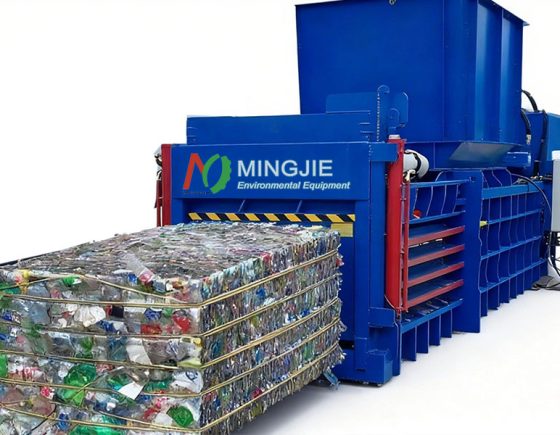
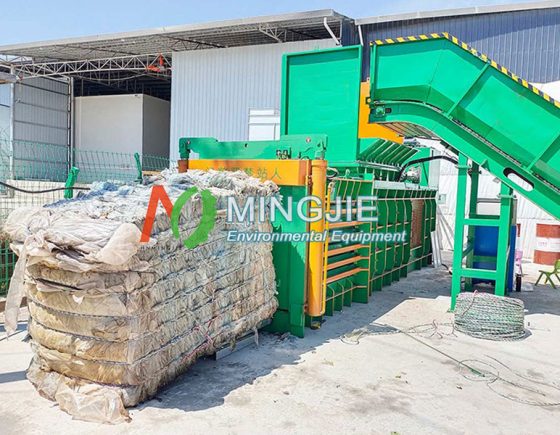
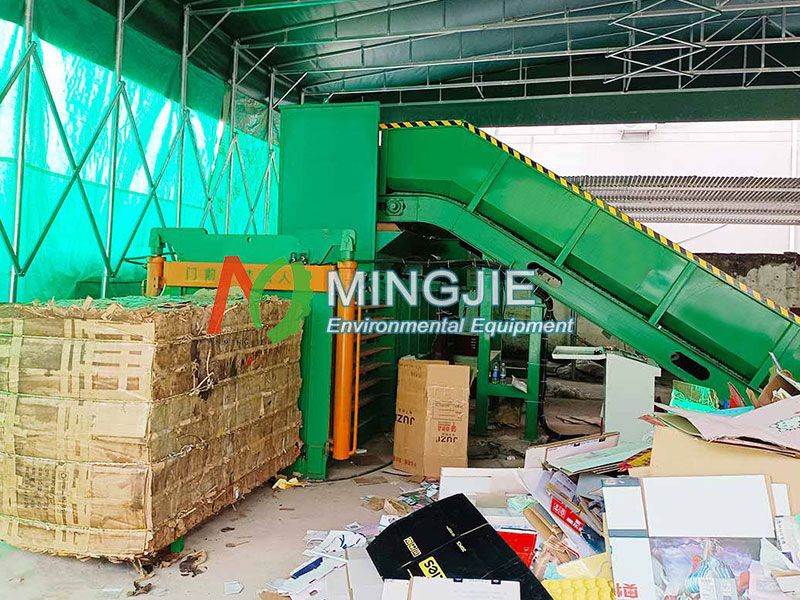
Paper mills typically use large horizontal hydraulic balers. These balers have powerful pressure that can quickly compress loose waste paper into compact bales. A hydraulic baler can compress several tons of waste paper at a time, reducing the originally bulky waste paper to a fraction of its original size.
These compressed bales are dense, regularly shaped, and easy to stack neatly. This greatly saves storage space and effectively reduces transportation costs.
Waste recycling stations also rely heavily on balers. At these stations, various types of waste paper are collected, including old newspapers, magazines, and packaging boxes. These papers vary in size and texture, making them difficult to recycle and sell without proper processing.
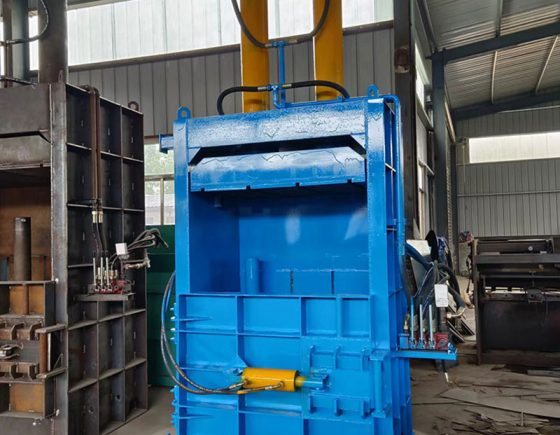
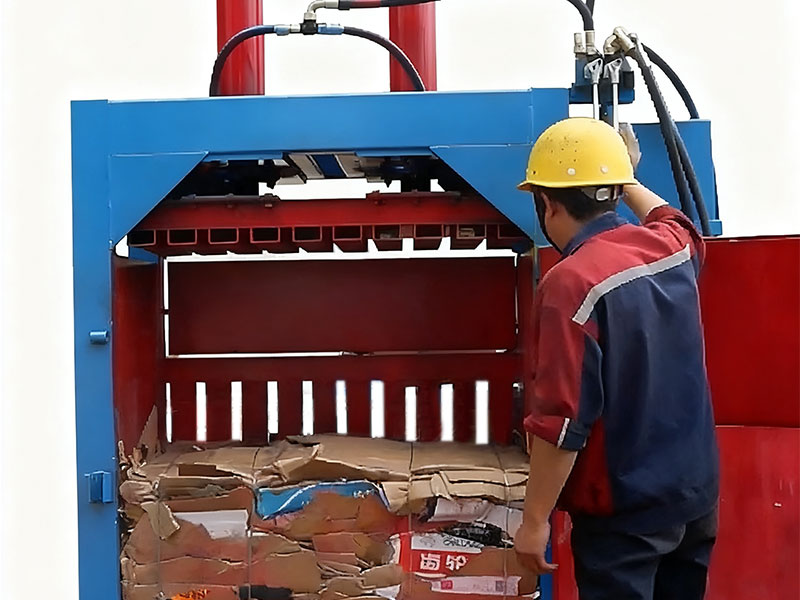
Small waste recycling stations may use simple, relatively inexpensive vertical balers. Medium and large stations tend to use fully automatic hydraulic balers.
Baling Machines Facilitate Plastic Recycling
Bagging machines play a crucial role in the plastic recycling process, providing strong support for the recycling of plastics. In the plastic recycling industry, waste plastics are diverse, including discarded plastic bottles, plastic films, plastic toys, and plastic pipes. These waste plastics vary in shape and texture, posing significant challenges to recycling and processing.
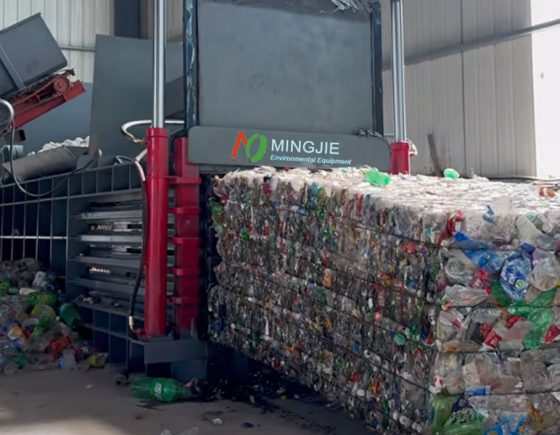
Bagging machines effectively solve these problems by compressing waste plastics. Different types of baling machines are suitable for processing different types of waste plastics. For larger plastic pipes and boxes, hydraulic balers can leverage their powerful pressure to compress them into compact blocks. For thinner plastic films and bags, baling machines can bundle them into easily manageable bundles.
In plastic recycling plants, plastic balers are essential equipment for realizing plastic recycling. Sorted waste plastics are compressed into bales of specific sizes by baling machines. These bales are easy to store and transport, enabling efficient delivery to plastic recycling companies for further processing.
Baling Equipments in Municipal Solid Waste Management
In municipal solid waste management, baling equipments are primarily used to compress and bale recyclables and certain types of waste that are difficult to process directly.
At waste transfer stations, workers first perform preliminary sorting of the collected municipal solid waste, separating recyclables such as waste paper, plastic bottles, and metals. Then, baling machines are used to compress and bale these recyclables for subsequent transportation and recycling.
Bagging machines also effectively reduce secondary pollution during waste transportation and processing. By compressing waste into sealed bales, baling machines effectively reduce odor emissions and leachate production.